



















 Official Step2 Distributor
 Quick Dispatch (within 24h)
 30 Days Money Back Guarantee
 3 Year Warranty
-
Filter By Stock
- In Stock (9)
Filter By Brand
- Step2 (11)
Social Development
Social development is specifically about play with others - sharing, taking turns, negotiating who does what, and cooperating toward a shared version of a game. Cooperative play activities are best chosen for equipment that naturally allows more than one child to use it at once, since that's what actually prompts sharing and turn-taking rather than just being near another child.
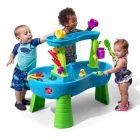
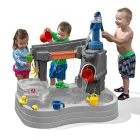
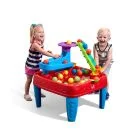
Water play is one of the most naturally cooperative play activities there is - multiple children can use a water table at once, which means sharing space and equipment almost immediately. Browse our water table range to see the options. A cubby house works well for slightly older cooperative play, since it naturally invites more than one child into a shared pretend scenario that has to be negotiated together - see our cubby house range. Group cooking or hosting-style pretend play adds a shared "task" that gives cooperative play a natural structure.
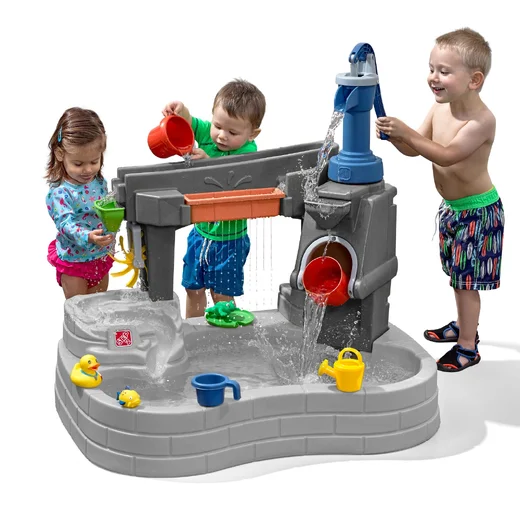
Pump and Splash Discovery Stone Pond
https://www.step2direct.com.au/pump-and-splash-discovery-stone-pond $319.00
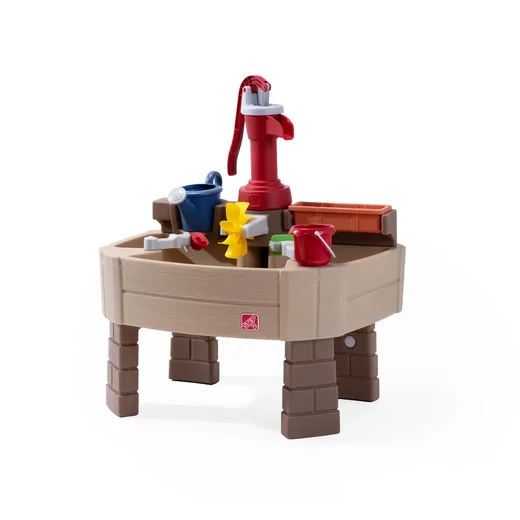
Pump and Splash Discovery Water Table
https://www.step2direct.com.au/pump-and-splash-discovery-water-table $199.00
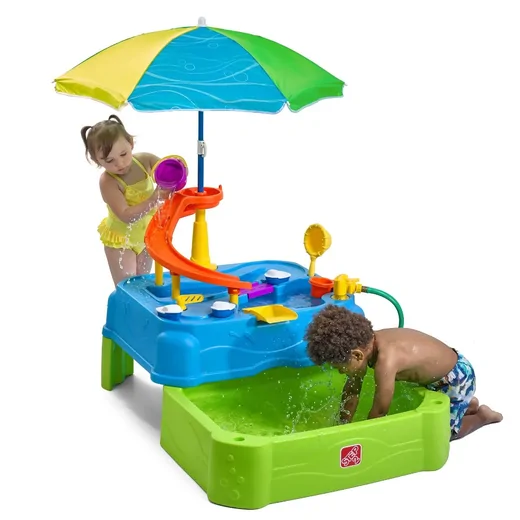
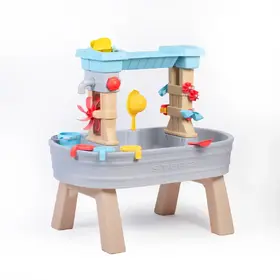
Waterpark Wonders Two-Tier Water Table
https://www.step2direct.com.au/waterpark-wonders-two-tier-water-table $329.00
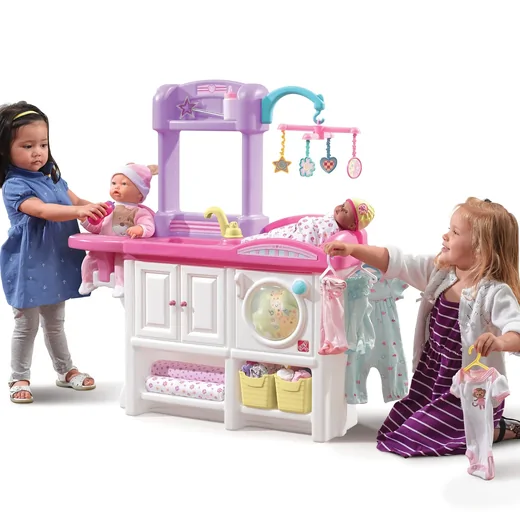

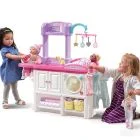
Love and Care Deluxe Nursery
https://www.step2direct.com.au/love-care-deluxe-nursery Now $242.10
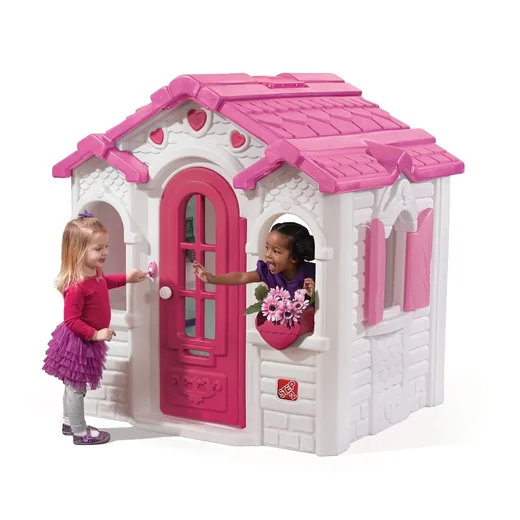
Sweetheart Playhouse
https://www.step2direct.com.au/sweetheart-playhouse Now $1,169.10
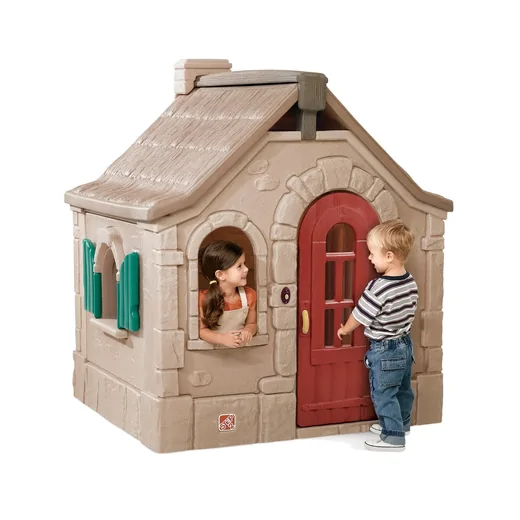
Storybook Cottage
https://www.step2direct.com.au/storey-book-cottage Now $1,349.10
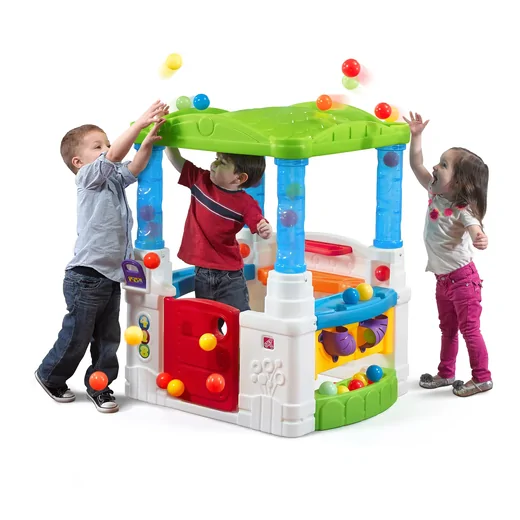
Wonderball Fun House
https://www.step2direct.com.au/wonderball-fun-house $419.00
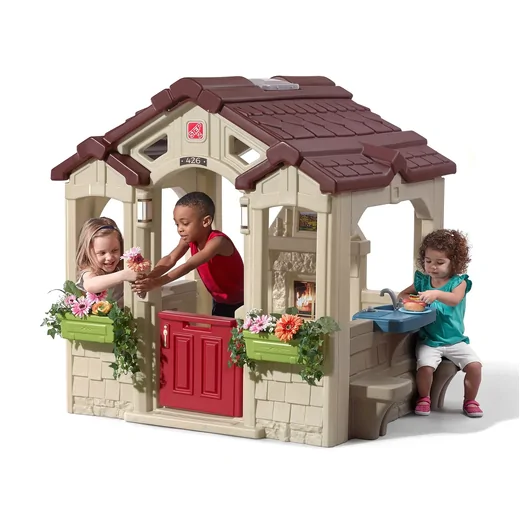
Charming Cottage
https://www.step2direct.com.au/charming-cottage-playhouse Now $1,169.10
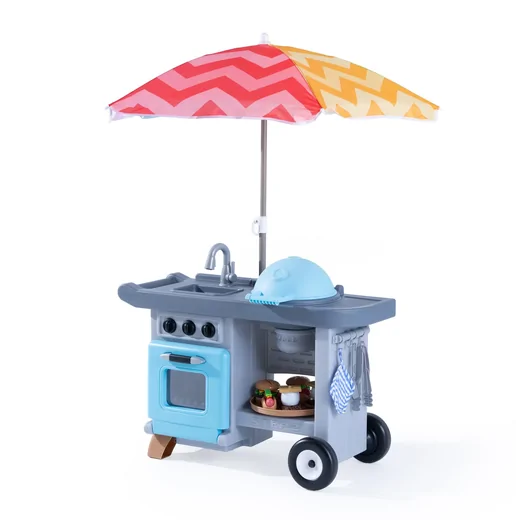
Grill & Go BBQ Cart with Lights & Sounds
https://www.step2direct.com.au/grill-and-go-bbq-cart-with-lights-and-sounds $299.00
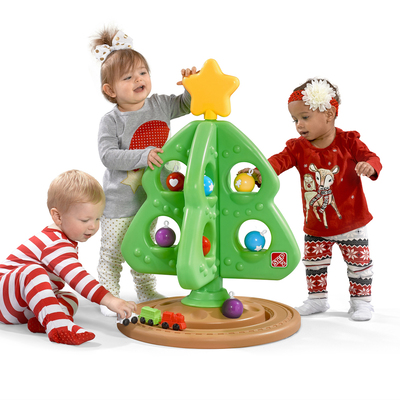
My First Christmas Tree
https://www.step2direct.com.au/my-first-christmas-tree $159.00
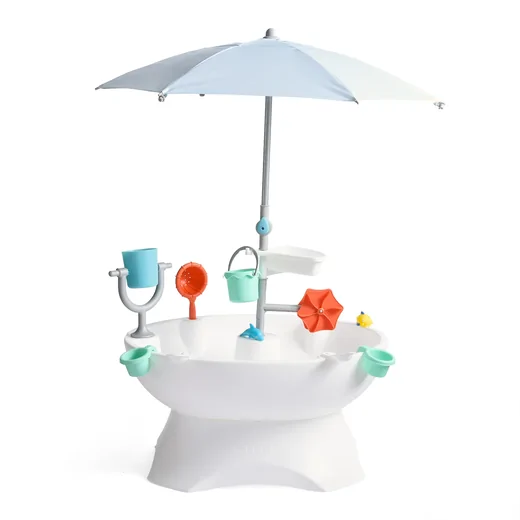
Sunshine Springs Splash Table with CoolBreeze Mist
https://www.step2direct.com.au/sunshine-springs-splash-table-with-coolbreeze-misting-canopy $319.00
Social development and play
What social development looks like in play
Social development is specifically about play with others - sharing, taking turns, negotiating who does what, and cooperating toward a shared version of a game. It's different from role play or self-esteem, which are largely individual; social development only really happens when more than one child is involved.
Why playing alongside other children matters
A lot of genuine social skill can only be practised in the moment, with another child, rather than taught in the abstract - working out how to share a space, take turns, or agree on the rules of a shared scenario are skills that develop through repeated, real social friction and resolution, not instruction.
Cooperative play activities that build it
Water play is naturally social - multiple children can use a water table at once, which means sharing space and equipment almost immediately, and often prompts spontaneous cooperation like taking turns with a pump or funnel. A cubby house works well for slightly older social play, since it naturally invites more than one child into a shared pretend scenario that has to be negotiated together. Group cooking or hosting-style pretend play, like a play kitchen or BBQ set, adds a shared "task" that gives cooperative play a natural structure.
Letting kids work out the friction themselves
Some disagreement - over turns, over roles, over how the game should go - is a normal and useful part of social development, not something to eliminate entirely. Stepping in only when needed, rather than pre-empting every disagreement, gives children more chance to practise resolving it themselves, which is where a lot of real social learning actually happens.
Frequently asked questions
What age does social play with other children typically start?
Simple side-by-side play (playing near, but not really with, another child) often starts quite early, while more genuinely cooperative, shared play tends to develop further through the toddler and preschool years.
Should I intervene when children disagree during play?
Some disagreement is a normal, useful part of social development - stepping in only when needed, rather than pre-empting every conflict, gives children more opportunity to practise resolving it themselves.
What kind of equipment works best for group play?
Equipment that naturally allows more than one child to use it at once - a water table, a cubby house, or a shared pretend scenario like cooking - tends to prompt more social interaction than single-user toys.