





























 Official Step2 Distributor
 Quick Dispatch (within 24h)
 30 Days Money Back Guarantee
 3 Year Warranty
-
Filter By Category
- Role Play Toys (4)
- Kids Workbenches (4)
-
Filter By Stock
- In Stock (15)
Filter By Brand
- Step2 (15)
Role Play
Role play - sometimes called dramatic play - is a child stepping into someone else's part: chef, builder, parent, shopkeeper, and acting out what that role involves. It's one of the clearest ways young children make sense of the adult world, rehearsing a real role in a safe, low-stakes way long before they're old enough to take it on for real.
A play kitchen is one of the clearest examples of dramatic play - cooking, serving and cleaning up rehearse a role most children see daily. Browse our play kitchen range to see the styles available. Workbenches and tool sets do the same for a builder or handyman role - see our workbench range - and a nursery play set lets a child rehearse a caregiving role, often reflecting the care they've received themselves (our pretend play range covers this). A cubby house gives any of these roles a "home base" to be acted out in.
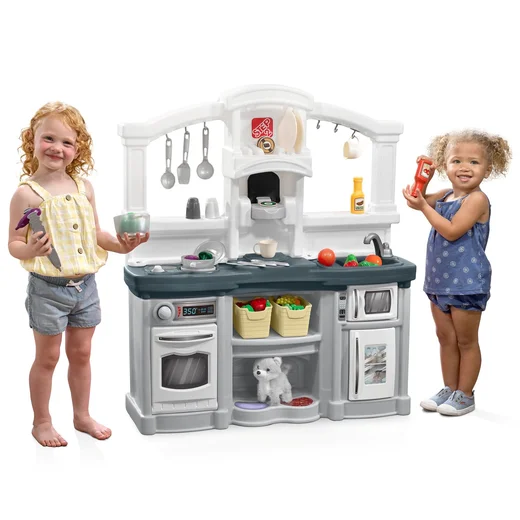

Fun with Friends Kitchen - Grey
https://www.step2direct.com.au/fun-with-friends-kitchen-grey Now $224.10
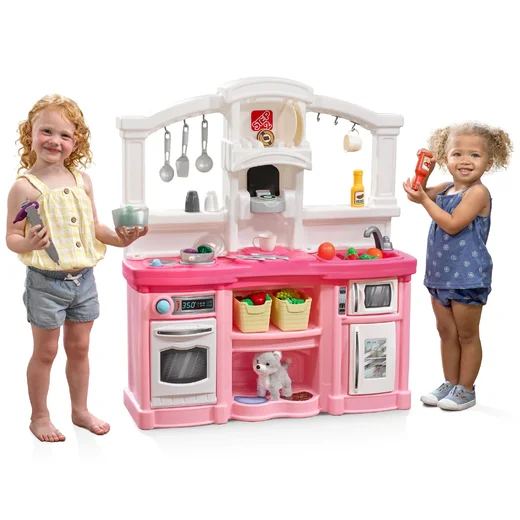
Fun with Friends Kitchen - Pink
https://www.step2direct.com.au/fun-with-friends-kitchen-pink Now $224.10
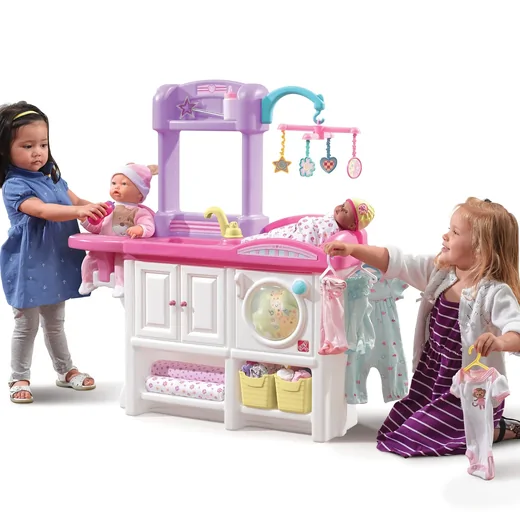
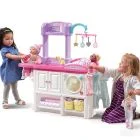
Love and Care Deluxe Nursery
https://www.step2direct.com.au/love-care-deluxe-nursery Now $242.10
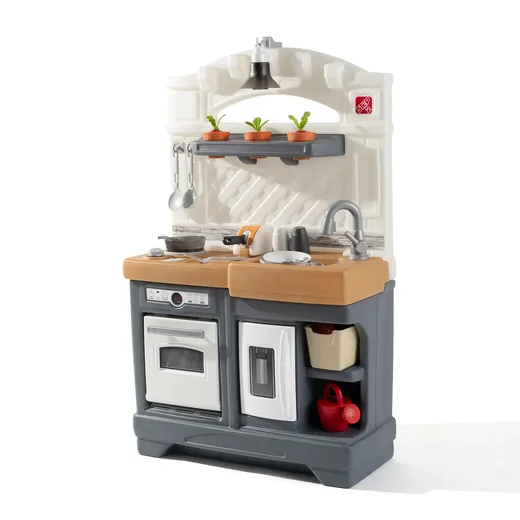
Garden Fresh Kitchen
https://www.step2direct.com.au/garden-fresh-kitchen-new Now $224.10
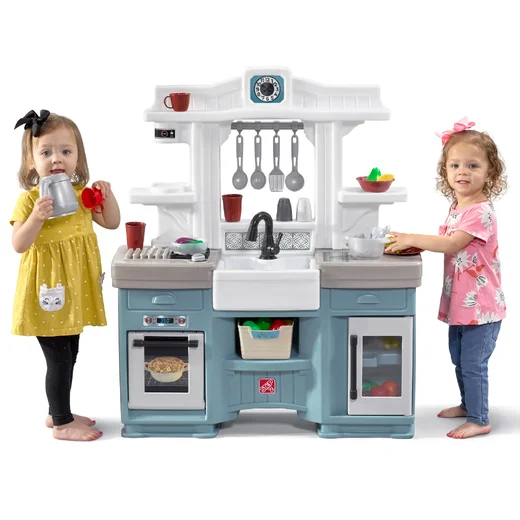
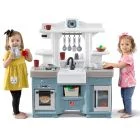
Timeless Trends Kitchen
https://www.step2direct.com.au/timeless-trends-kitchen Now $224.10
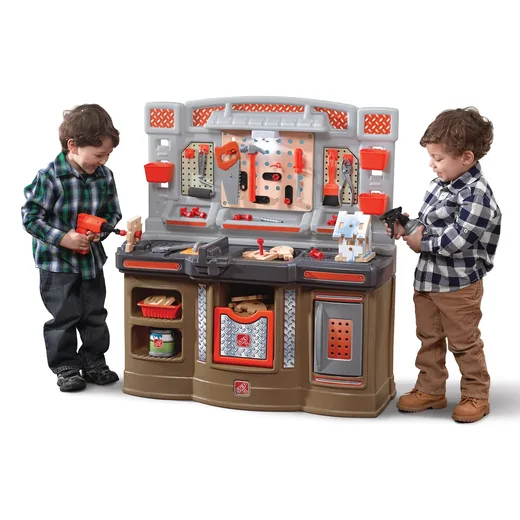
Big Builders Pro Workshop
https://www.step2direct.com.au/big-builders-pro-workshop $299.00
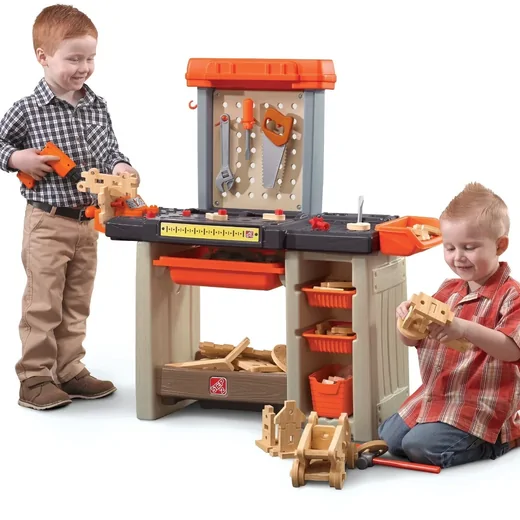
Handyman Workbench
https://www.step2direct.com.au/handyman-workbench-Orange Now $206.10
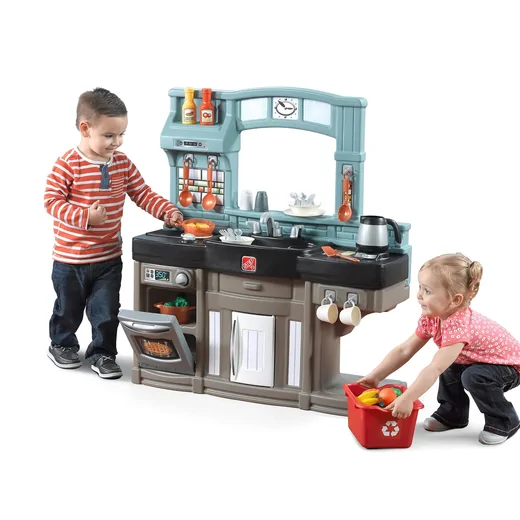
Best Chefs Kitchen
https://www.step2direct.com.au/best-chefs-kitchen Now $206.10
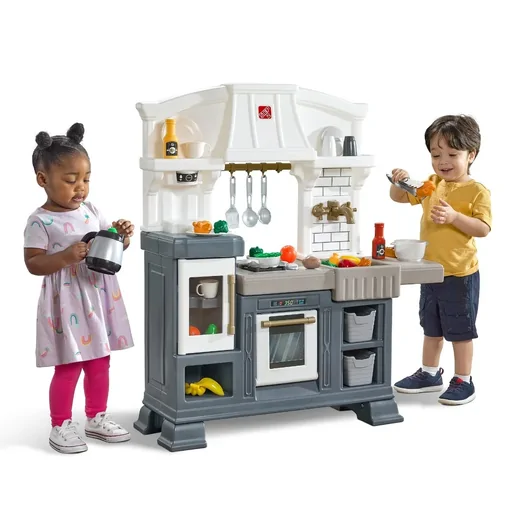
Gilded Gourmet Kitchen
https://www.step2direct.com.au/gilded-gourmet-kitchen $249.00
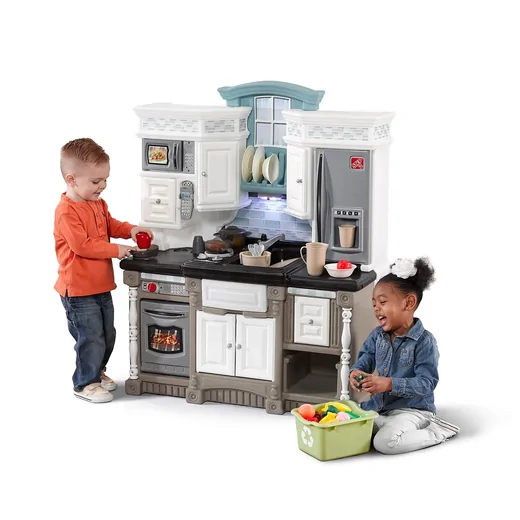
Life Style Dream Kitchen
https://www.step2direct.com.au/life-style-dream-kitchen $499.00
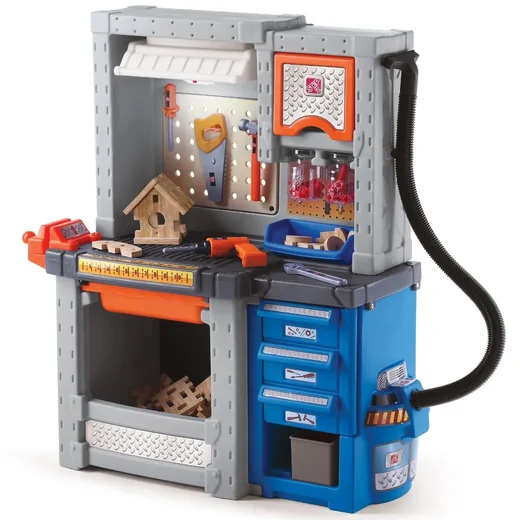
Deluxe Workshop
https://www.step2direct.com.au/deluxe-workshop Now $332.10
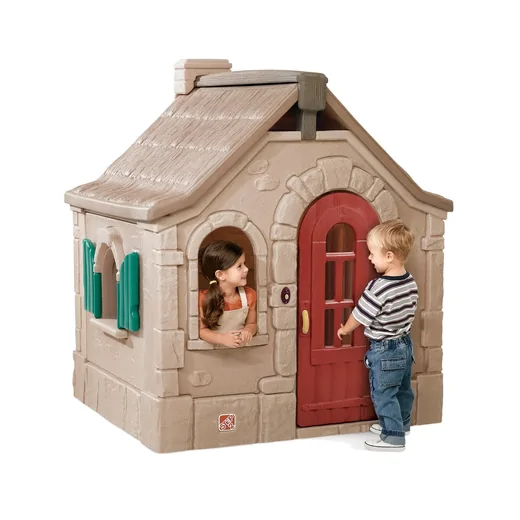
Storybook Cottage
https://www.step2direct.com.au/storey-book-cottage Now $1,349.10
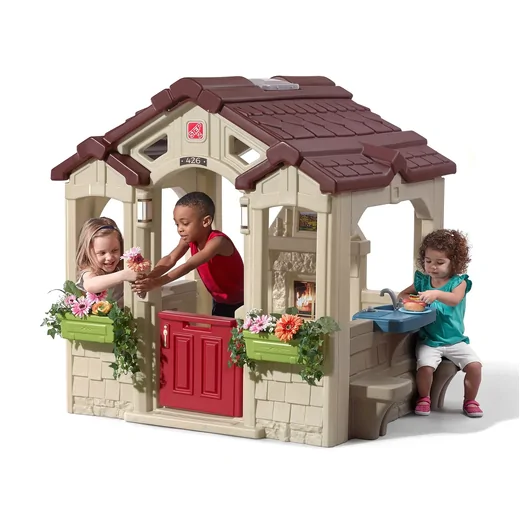
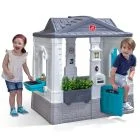
Charming Cottage
https://www.step2direct.com.au/charming-cottage-playhouse Now $1,169.10
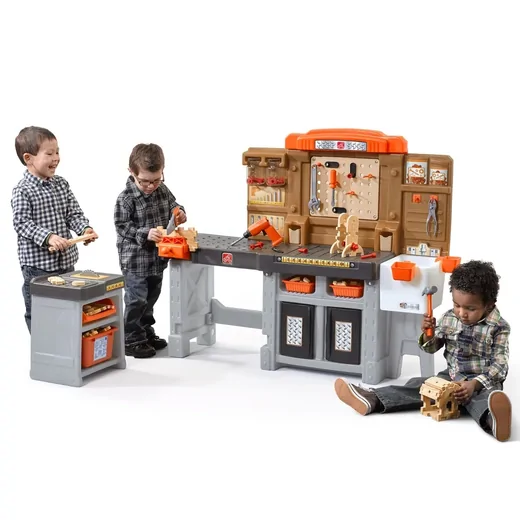
Pro Play Workshop & Utility Bench
https://www.step2direct.com.au/pro-play-workshop-and-utility-bench $349.00
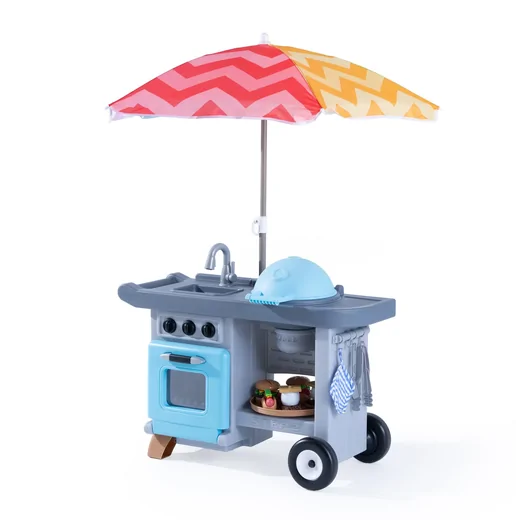
Grill & Go BBQ Cart with Lights & Sounds
https://www.step2direct.com.au/grill-and-go-bbq-cart-with-lights-and-sounds $299.00
Role play and development
What role play actually is
Role play - sometimes called dramatic play - is a child stepping into someone else's part - chef, builder, parent, shopkeeper - and acting out what that role involves. It's distinct from general imaginative play in that it centres on a specific character or job a child has observed and is now rehearsing through play.
Why "trying on" adult roles matters
Copying what grown-ups do is one of the main ways young children make sense of the adult world before they're old enough to participate in it directly. Cooking a "meal," fixing something with "tools," or caring for a "baby" all let a child rehearse a real-world role in a safe, low-stakes way, building both understanding and confidence in the process.
Which kinds of play build it
A play kitchen is one of the clearest examples - cooking, serving and cleaning up rehearse a role most children see daily. Workbenches and tool sets do the same for a builder or handyman role, and a nursery play set lets a child rehearse a caregiving role, often reflecting the care they've received themselves. A cubby house gives any of these roles a "home base" to be acted out in, which often means a single play session moves fluidly between several roles rather than sticking to just one.
Following the role your child chooses
Children often gravitate toward roles that reflect what's currently important in their own lives - a new sibling might prompt more nursery-style caregiving play, for instance, or a recent home renovation might show up as elaborate workbench "building" play. Following what role a child chooses, rather than suggesting one, tends to reveal more about what they're actually processing.
Frequently asked questions
What's the difference between role play and general pretend play?
Role play specifically involves taking on a defined character or job - chef, builder, parent - while general pretend or imaginative play can involve invented scenarios without a specific role attached.
Why do children often repeat the same role play scenario?
Repeating a role, like cooking the same "meal" over and over, is often how children process and master a routine they've observed - repetition is part of how the rehearsal works, not a sign of a lack of imagination.
Should I suggest roles for my child to play?
Following the role your child naturally gravitates toward tends to be more valuable than suggesting one, since the roles children choose themselves often reflect what's genuinely on their mind.