


























 Official Step2 Distributor
 Quick Dispatch (within 24h)
 30 Days Money Back Guarantee
 3 Year Warranty
-
Filter By Category
- Role Play Toys (4)
- Kids Workbenches (4)
-
Filter By Stock
- In Stock (18)
Filter By Brand
- Step2 (20)
Fine Motor Skills
Fine motor skills activities are the small, precise hand and finger movements - gripping, twisting, pouring, fitting one piece into another - that children build through everyday play rather than through instruction. The right activities matter more than the amount of time spent playing: matching the movement to your child's current stage, from simple pouring through to precise screwing and fitting, is what actually builds the skill.
Fine motor skills activities for toddlers tend to work best kept large and simple - pouring, stirring, opening and closing. Fine motor skills activities for preschoolers can take on more complexity, combining several movements in one sustained sequence, like a full pretend-cooking routine rather than a single repeated action.
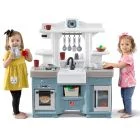
Play kitchens involve constant twisting and fitting play food into place - browse our play kitchen range to see the styles available. Workbenches go further, with screwing and fitting pieces together that build real hand strength - our workbench range covers several levels of complexity. Water tables add pouring, scooping and operating pumps and valves - see our water table range for the full lineup.
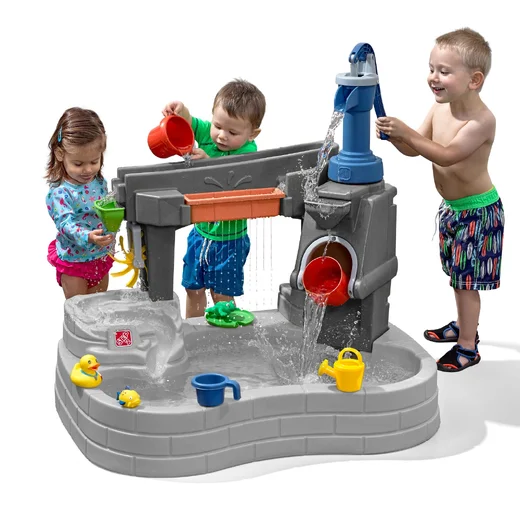
Pump and Splash Discovery Stone Pond
https://www.step2direct.com.au/pump-and-splash-discovery-stone-pond $319.00
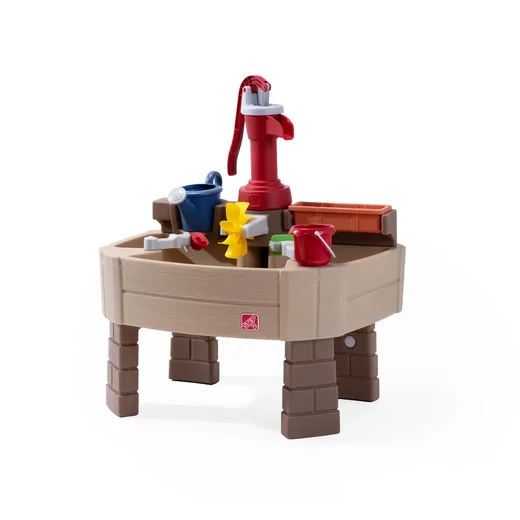
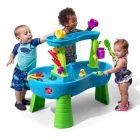
Pump and Splash Discovery Water Table
https://www.step2direct.com.au/pump-and-splash-discovery-water-table $199.00
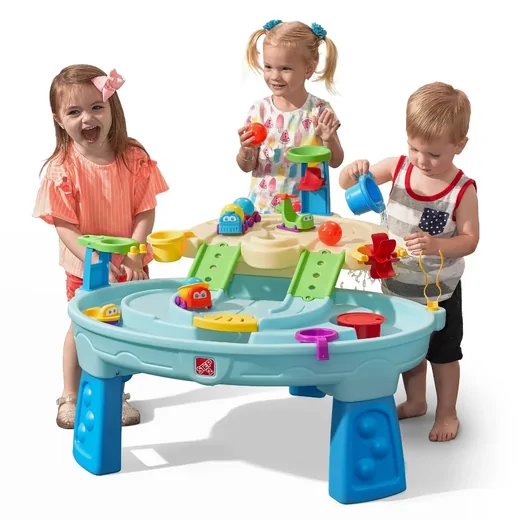
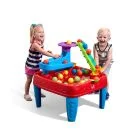
Ball Buddies Adventure and Water Centre
https://www.step2direct.com.au/ball-buddies-adventure-centre-and-water-table $249.00
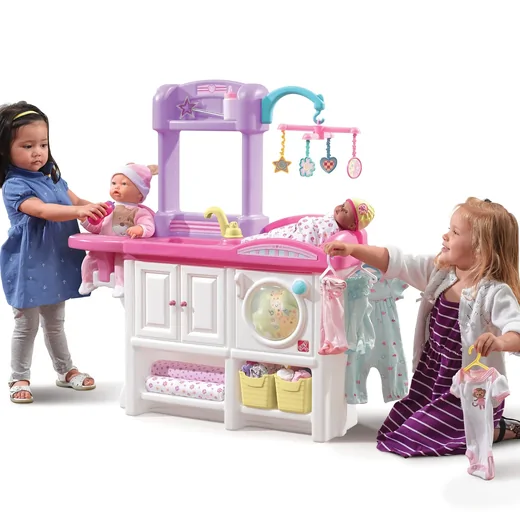

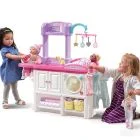
Love and Care Deluxe Nursery
https://www.step2direct.com.au/love-care-deluxe-nursery Now $242.10
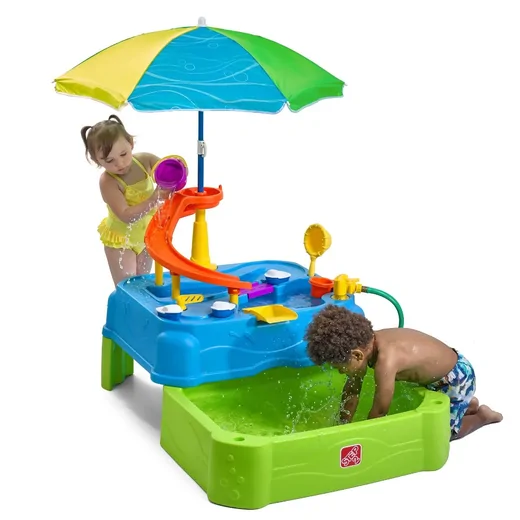
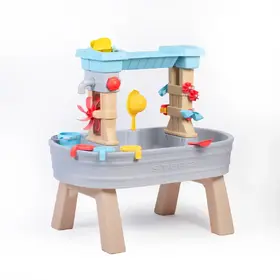
Waterpark Wonders Two-Tier Water Table
https://www.step2direct.com.au/waterpark-wonders-two-tier-water-table $329.00
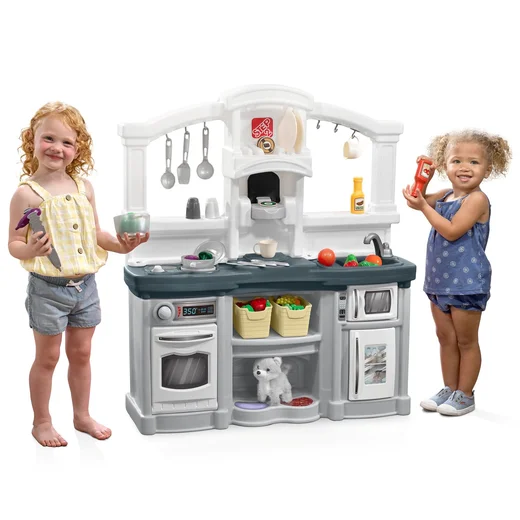
Fun with Friends Kitchen - Grey
https://www.step2direct.com.au/fun-with-friends-kitchen-grey Now $224.10
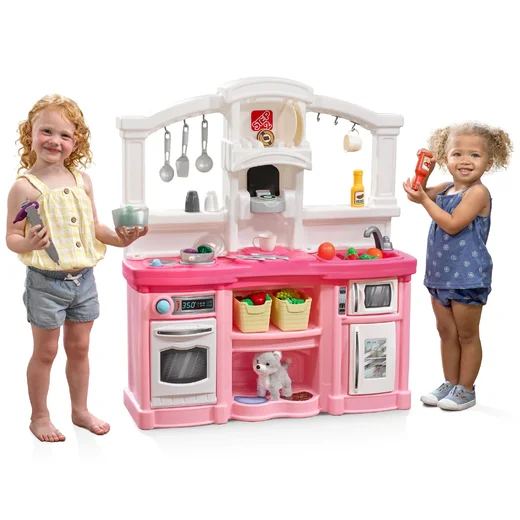
Fun with Friends Kitchen - Pink
https://www.step2direct.com.au/fun-with-friends-kitchen-pink Now $224.10
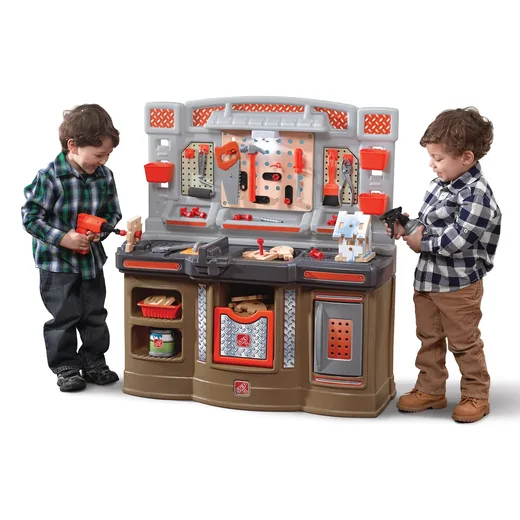
Big Builders Pro Workshop
https://www.step2direct.com.au/big-builders-pro-workshop $299.00
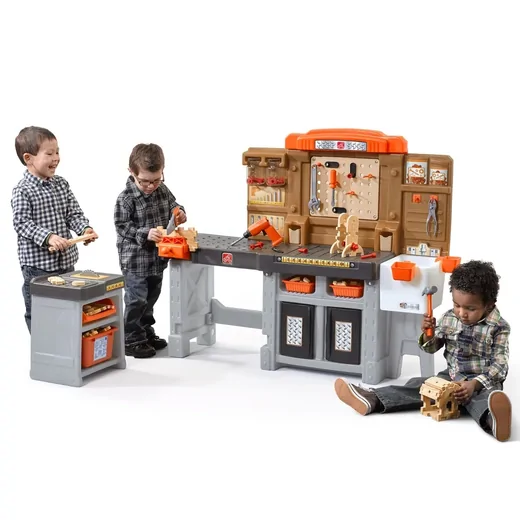
Pro Play Workshop & Utility Bench
https://www.step2direct.com.au/pro-play-workshop-and-utility-bench $349.00
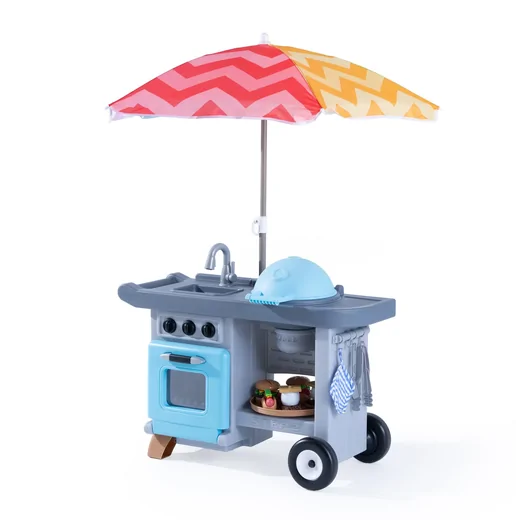
Grill & Go BBQ Cart with Lights & Sounds
https://www.step2direct.com.au/grill-and-go-bbq-cart-with-lights-and-sounds $299.00
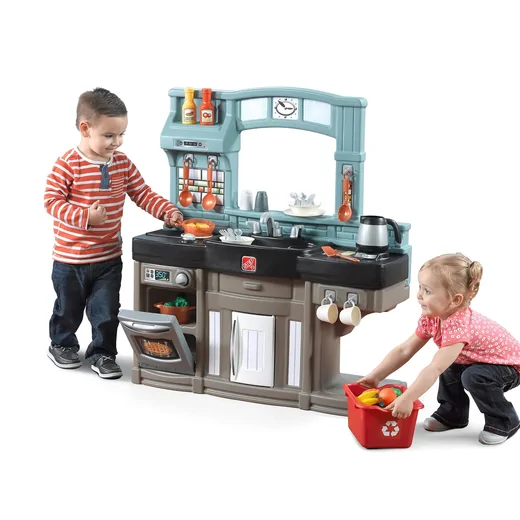
Best Chefs Kitchen
https://www.step2direct.com.au/best-chefs-kitchen Now $206.10
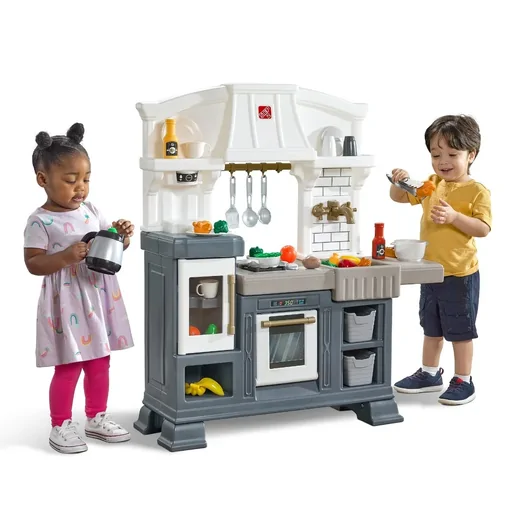
Gilded Gourmet Kitchen
https://www.step2direct.com.au/gilded-gourmet-kitchen $249.00
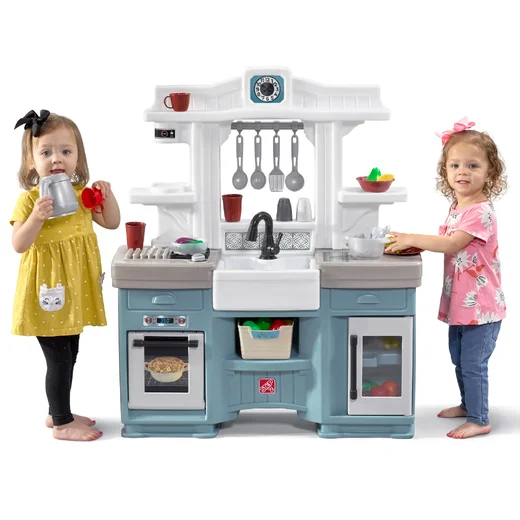
Timeless Trends Kitchen
https://www.step2direct.com.au/timeless-trends-kitchen Now $224.10
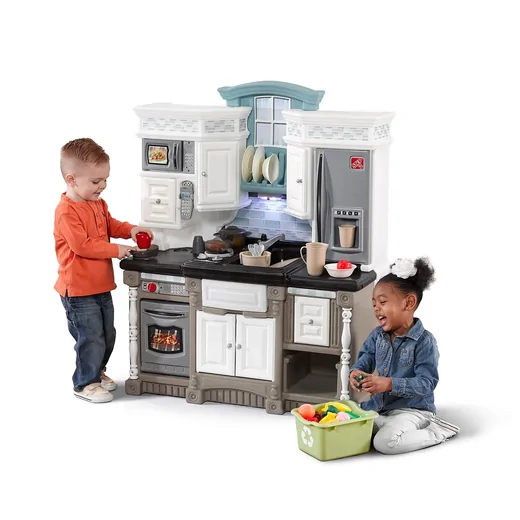
Life Style Dream Kitchen
https://www.step2direct.com.au/life-style-dream-kitchen $499.00
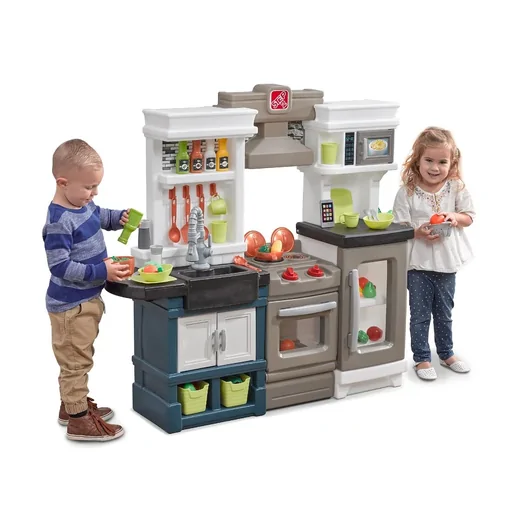
Modern Metro Kitchen
https://www.step2direct.com.au/modern-metro-kitchen Now $413.10
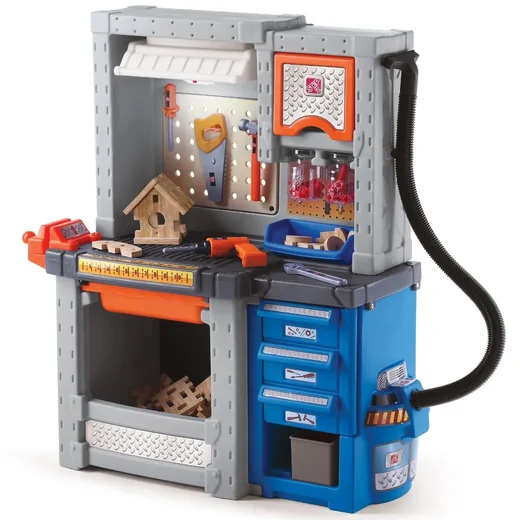
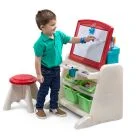
Deluxe Workshop
https://www.step2direct.com.au/deluxe-workshop Now $332.10
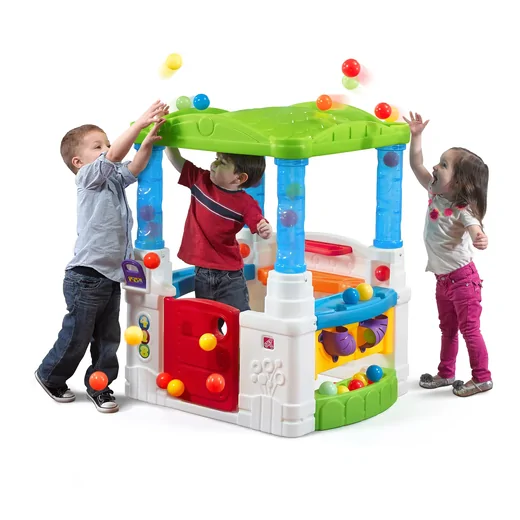
Wonderball Fun House
https://www.step2direct.com.au/wonderball-fun-house $419.00
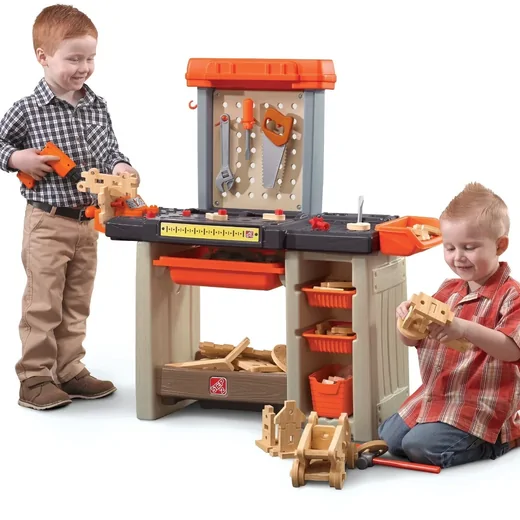
Handyman Workbench
https://www.step2direct.com.au/handyman-workbench-Orange Now $206.10
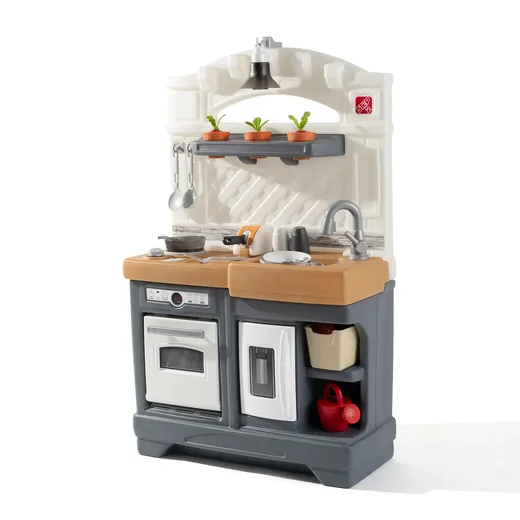
Garden Fresh Kitchen
https://www.step2direct.com.au/garden-fresh-kitchen-new Now $224.10
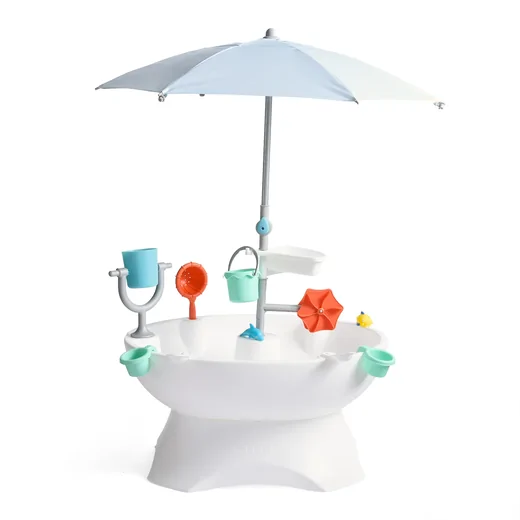
Sunshine Springs Splash Table with CoolBreeze Mist
https://www.step2direct.com.au/sunshine-springs-splash-table-with-coolbreeze-misting-canopy $319.00
Fine motor skills activities and play
What fine motor skills actually cover
Fine motor skills are the small, precise movements made with the hands and fingers - gripping, twisting, pinching, pouring, turning a knob or fitting one piece into another. They're different from gross motor skills, which cover bigger, whole-body movement like running or climbing. Fine motor development underpins everyday tasks well beyond play, from holding a pencil to doing up buttons, which is part of why it gets so much attention in early childhood.
Why play is how fine motor skills actually develop
Children don't build fine motor skills through instruction so much as through repetition - the same small movement, practised over and over in a way that feels like play rather than effort. Turning a toy tap, stirring in a play pot, screwing a play bolt into place or pouring water from one container to another all rehearse the same underlying hand and finger control, just through different, engaging activities. The variety matters: a child who finds one type of play frustrating often has more success with a different one that happens to use the same skill.
Fine motor skills activities that build it
A few categories in our range lean particularly heavily on fine motor movement. Play kitchens involve constant twisting, opening, stirring and fitting play food and utensils into place. Workbenches and workshop sets go further, with screwing, hammering and fitting pieces together requiring real hand-strength and precision. Water tables add pouring, scooping and operating pumps and valves - a different, often messier kind of fine motor practice kids don't always notice they're doing. A nursery play set adds buttons, snaps and small feeding and dressing actions into the mix as well.
Matching activities to your child's stage
Younger toddlers generally do best with larger, simpler actions - pouring, stirring, opening and closing - before moving on to smaller, more precise movements like the screwing and fitting involved in workbench play. Preschool-age children can usually handle more sustained, multi-step activities that combine several fine motor movements in one session, like a full pretend-cooking sequence rather than a single repeated action. If a particular activity seems to frustrate your child rather than engage them, it's often a sign to step back to a slightly simpler version of the same underlying skill rather than push forward.
Frequently asked questions
At what age do fine motor skills typically develop?
Fine motor skills develop gradually from infancy through the primary-school years, with big jumps in control and precision typically happening through the toddler and preschool years as hand strength and coordination improve. Every child develops at their own pace, so this is a general guide rather than a strict timeline.
What are signs a child might benefit from more fine motor practice?
Difficulty holding utensils, buttons or small toys, or frustration with activities that need precise hand movement, can be signs a child would benefit from more varied fine motor play - though plenty of individual variation is completely normal at every age.
What are good fine motor skills activities for toddlers and preschoolers?
Activities with natural repetition - pouring, stirring, twisting, fitting pieces together - build fine motor skills without needing to feel structured or educational. Play kitchens suit toddlers well with simple stirring and fitting actions, while workbench-style activities tend to suit preschoolers better once they can manage smaller, more precise movements like screwing and fitting pieces together.