



















 Official Step2 Distributor
 Quick Dispatch (within 24h)
 30 Days Money Back Guarantee
 3 Year Warranty
-
Filter By Category
- Climbers and Swing Sets (3)
- Kids Climbers (3)
-
Filter By Stock
- In Stock (7)
Filter By Brand
- Step2 (9)
Critical Thinking
For young children, critical thinking isn't abstract reasoning - it's working out how to get up, over or into something, or figuring out why a piece won't fit. Play gives kids constant, low-stakes problems to solve, which is exactly the kind of practice critical thinking needs to develop, long before it looks like "thinking" in any formal sense.
Climbing structures present genuine physical problem-solving - working out foot placement and route choice, and adjusting mid-climb when a first approach doesn't work. Browse our climbing frame range to see the options. A cubby house asks a different kind of question - how to use the space and what happens next in the scenario being built - see our cubby house range. An art desk adds planning and sequencing of a different kind again: deciding what to make, then adjusting the plan as the work actually takes shape.
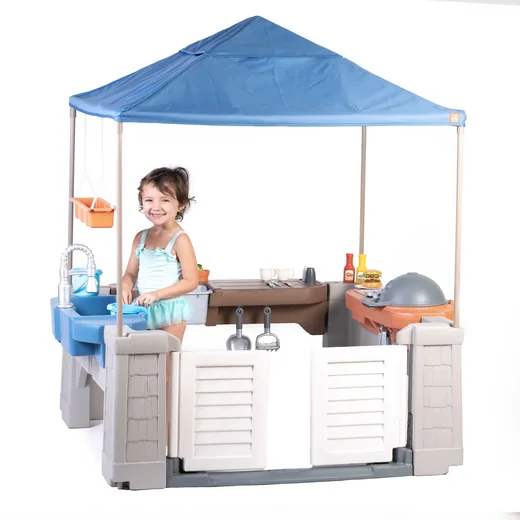

Grill & Splash Play Center with Canopy
https://www.step2direct.com.au/grill-and-splash-play-centre-with-canopy Now $539.10
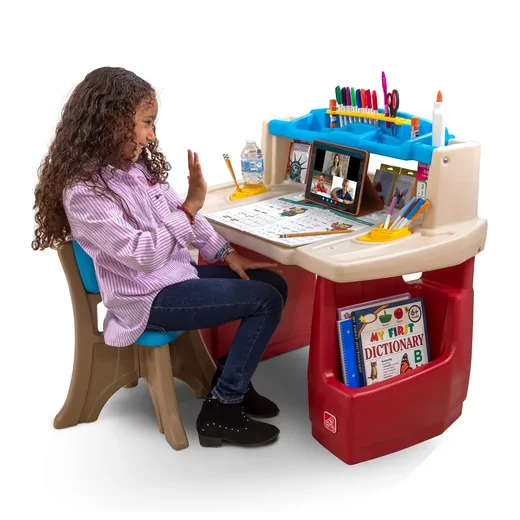
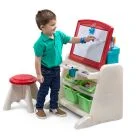
Deluxe Art Master Desk
https://www.step2direct.com.au/deluxe-art-master-desk Now $220.15
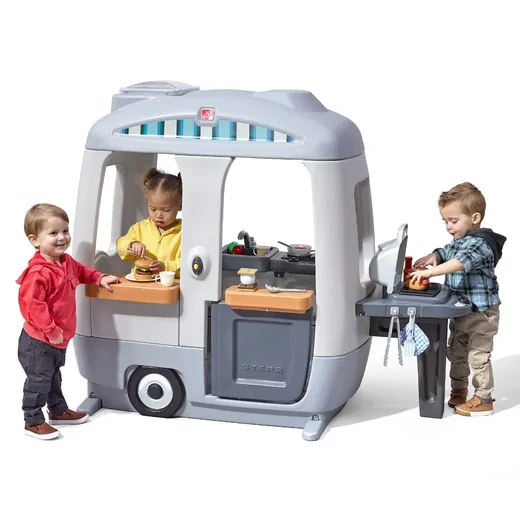
Adventure Camper
https://www.step2direct.com.au/adventure-camper $899.00
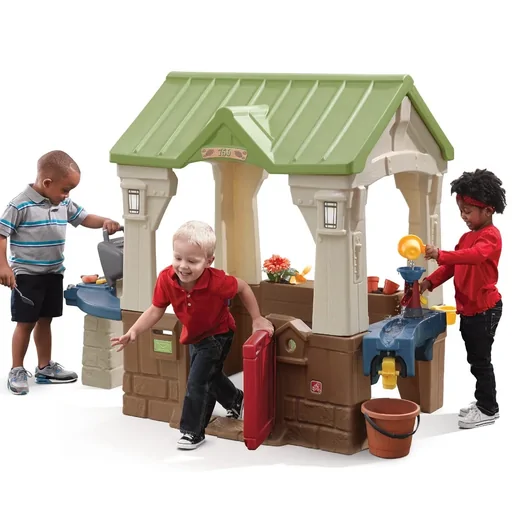
Great Outdoors Playhouse
https://www.step2direct.com.au/great-outdoors-playhouse $899.00
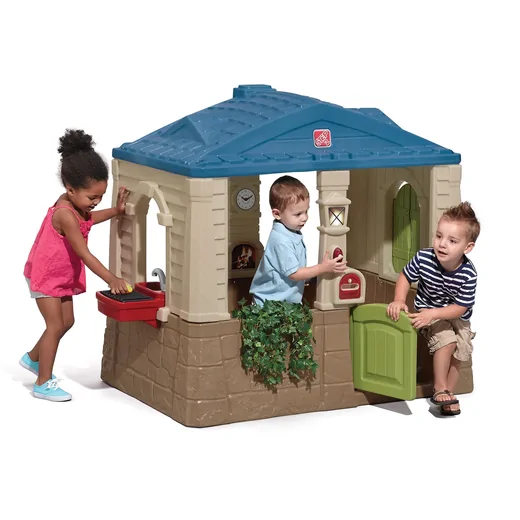
Happy Home Cottage & Grill
https://www.step2direct.com.au/happy-home-cottage-and-grill $649.00
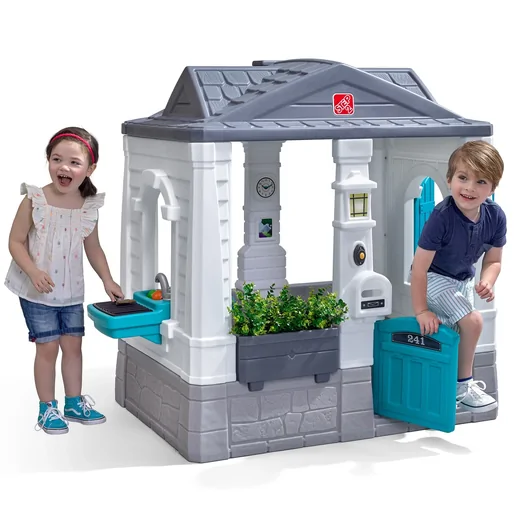
Neat and Tidy Cottage - Homestyle Edition
https://www.step2direct.com.au/neat-tidy-cottage-homestyle-edition Now $584.10
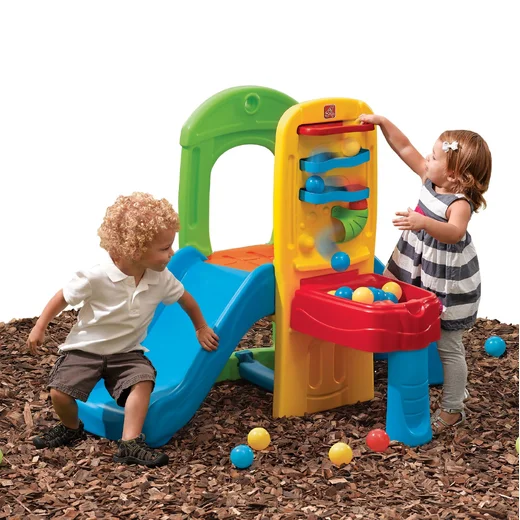
Play Ball Fun Climber
https://www.step2direct.com.au/play-ball-fun-climber $299.00
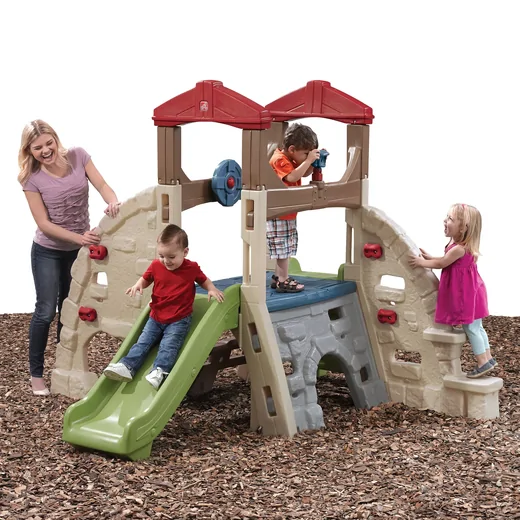
Alpine Ridge Climber and Slide
https://www.step2direct.com.au/alpine-ridge-climber-slide $1,199.00
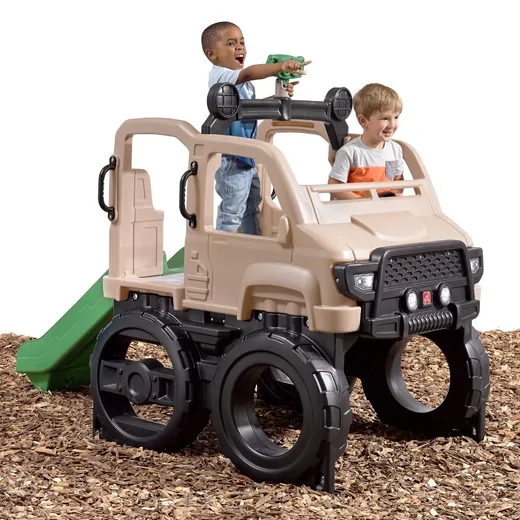
Safari Truck Climber
https://www.step2direct.com.au/safari-truck-climber $999.00
Critical thinking and play
What critical thinking looks like at this age
For young children, critical thinking isn't abstract reasoning - it's working out how to get up, over or into something, deciding what a make-believe space needs next, or figuring out why a piece won't fit. It's problem-solving in physical, immediate form, built through trial and error rather than being taught directly.
Why play is where this actually develops
Play gives children low-stakes problems to solve - which route up a climbing structure works best, how to arrange a pretend kitchen or cubby house so it "makes sense," what to draw next to finish a picture. Because there's no wrong answer and no real consequence to getting it wrong, children are free to experiment, which is exactly the condition critical thinking needs to develop.
Which kinds of play build it
Climbing structures present genuine physical problem-solving - working out foot placement, sequencing, and route choice, often adjusting mid-climb when a first approach doesn't work. Cubby houses and playhouses ask a different kind of question: how do I use this space, and what happens next in the scenario I'm building? An art desk adds planning and sequencing of a different kind - deciding what to make and how the pieces of a drawing or project fit together, then adjusting the plan as the work actually takes shape.
Letting kids solve it themselves
The instinct to jump in and solve a problem for a child is strong, but critical thinking develops fastest when children are given space to work through a challenge themselves first, even if it takes longer or looks less tidy than an adult solving it would. A child who's allowed to try, fail and adjust is building a more durable problem-solving habit than one who's handed the answer.
Frequently asked questions
How do I encourage critical thinking without taking over?
Ask questions rather than giving answers - "what do you think would happen if..." tends to build more independent problem-solving than stepping in with a solution, even when the solution is obvious to you.
Is climbing play really about thinking, or just physical activity?
Both - climbing genuinely requires route-planning, sequencing and adapting when a first approach doesn't work, alongside the physical coordination involved. It's a good example of thinking and movement developing together rather than separately.
What age does critical thinking start developing through play?
It starts remarkably early - even toddlers working out how to fit a shape into a hole or navigate a climbing structure are exercising early problem-solving, well before they could explain their reasoning in words.