


















 Official Step2 Distributor
 Quick Dispatch (within 24h)
 30 Days Money Back Guarantee
 3 Year Warranty
-
Filter By Category
- Climbers and Swing Sets (1)
- Kids Climbers (1)
- Role Play Toys (3)
- Kids Workbenches (3)
-
Filter By Stock
- In Stock (11)
Filter By Brand
- Step2 (12)
Self-Esteem
Self-esteem in young children builds largely through mastery - genuinely finishing something, doing it independently, and knowing it was their own effort that made it happen. Independent play, where a child completes something start to finish without an adult stepping in, gives a genuine, self-generated sense of achievement that praise alone doesn't replicate.
Workbench and building play is a strong example of independent play with a real end point - assembling, fitting pieces together, finishing something that can be shown off afterwards. Browse our workbench range to see the options. A play kitchen offers something similar on a smaller scale, letting a child "complete" a meal from start to finish - see our play kitchen range. A cubby house or personal play space gives a child something they can genuinely take ownership of and be proud of maintaining, even in small ways.
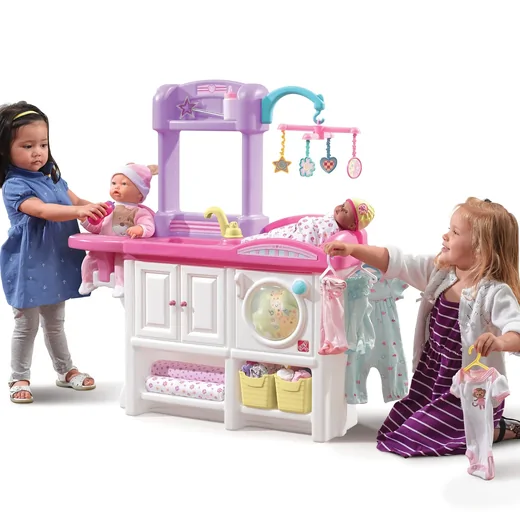

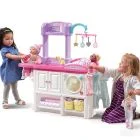
Love and Care Deluxe Nursery
https://www.step2direct.com.au/love-care-deluxe-nursery Now $228.65
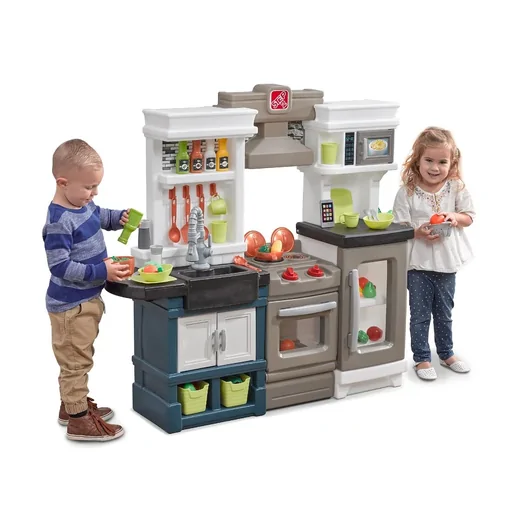
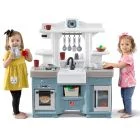
Modern Metro Kitchen
https://www.step2direct.com.au/modern-metro-kitchen Now $413.10
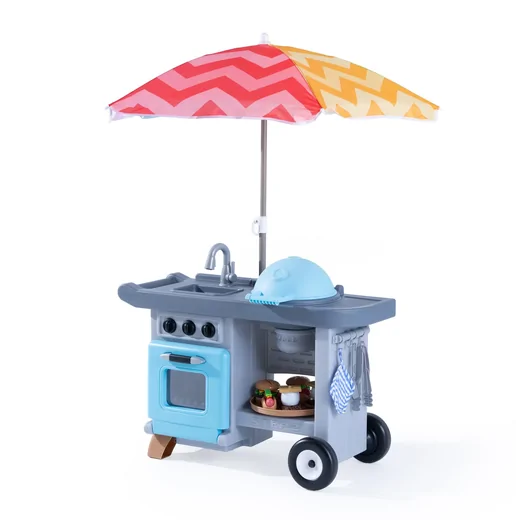
Grill & Go BBQ Cart with Lights & Sounds
https://www.step2direct.com.au/grill-and-go-bbq-cart-with-lights-and-sounds Now $269.10
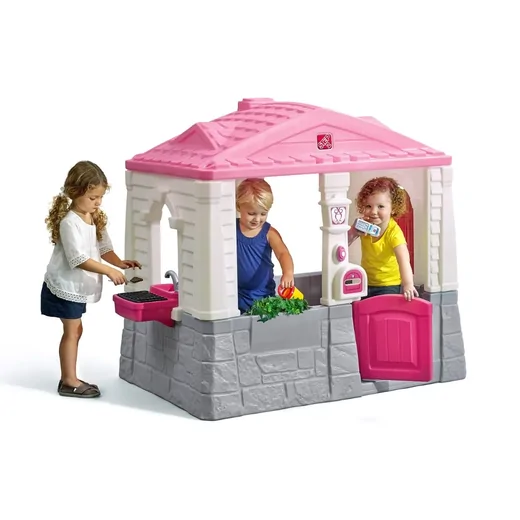
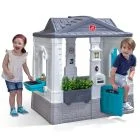
Neat and Tidy Cottage - Pink
https://www.step2direct.com.au/neat-tidy-cottage-pink Now $584.10
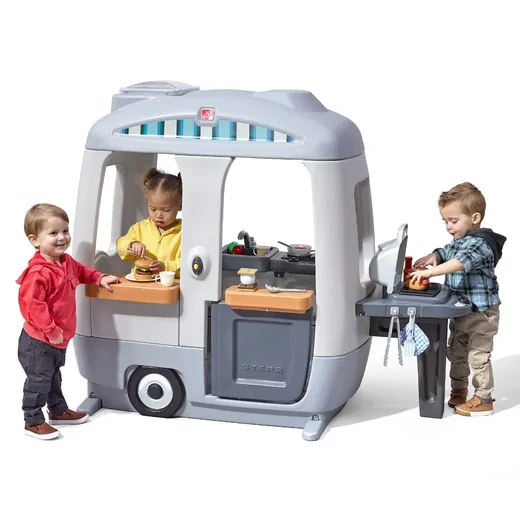
Adventure Camper
https://www.step2direct.com.au/adventure-camper Now $809.10
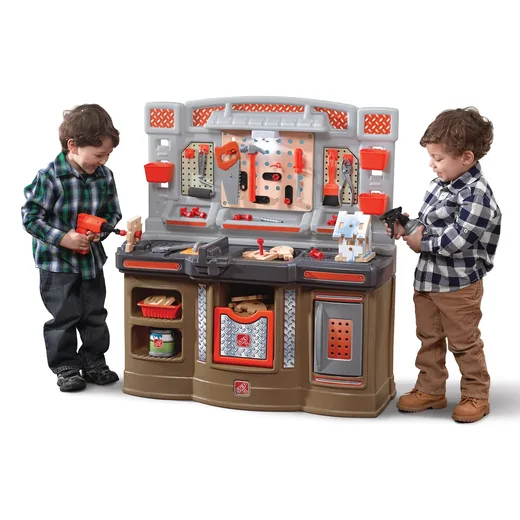
Big Builders Pro Workshop
https://www.step2direct.com.au/big-builders-pro-workshop $299.00
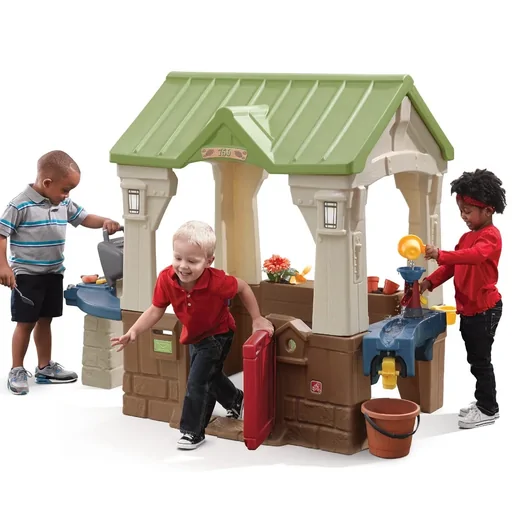
Great Outdoors Playhouse
https://www.step2direct.com.au/great-outdoors-playhouse $899.00
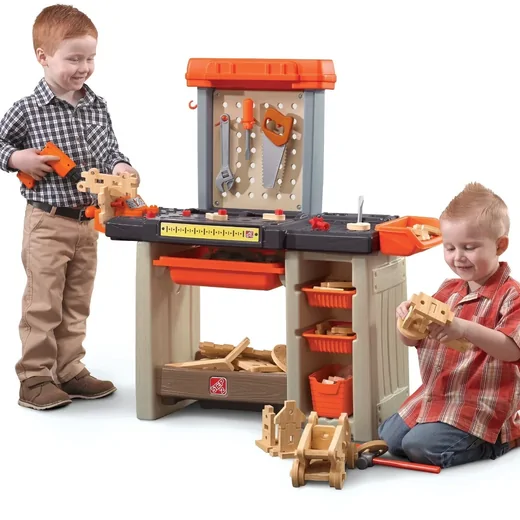
Handyman Workbench
https://www.step2direct.com.au/handyman-workbench-Orange Now $194.65
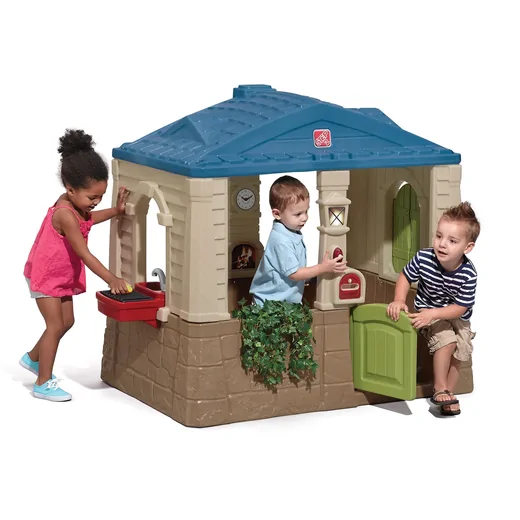
Happy Home Cottage & Grill
https://www.step2direct.com.au/happy-home-cottage-and-grill $649.00
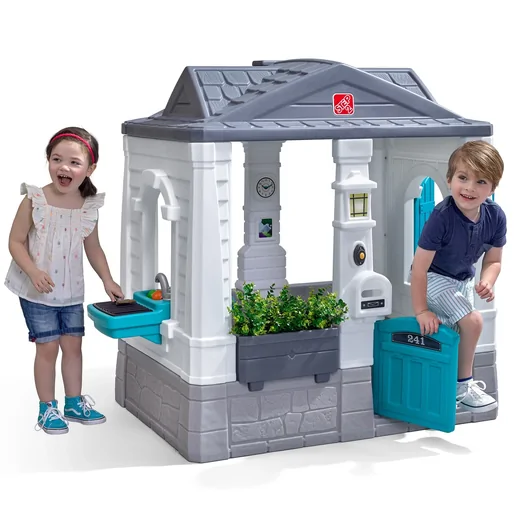
Neat and Tidy Cottage - Homestyle Edition
https://www.step2direct.com.au/neat-tidy-cottage-homestyle-edition Now $584.10
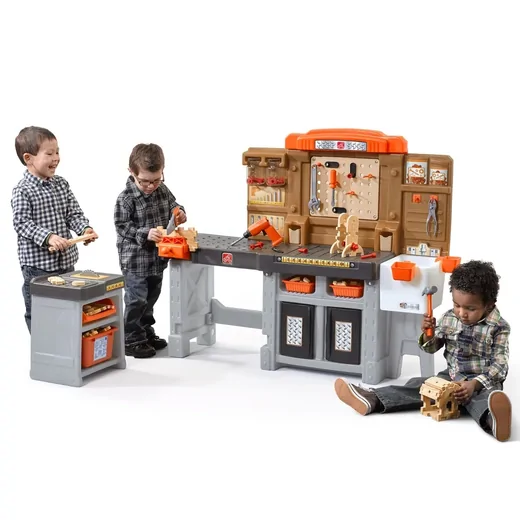
Pro Play Workshop & Utility Bench
https://www.step2direct.com.au/pro-play-workshop-and-utility-bench $349.00
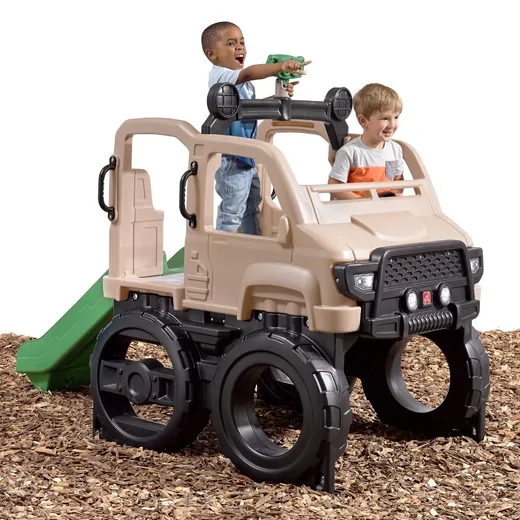
Safari Truck Climber
https://www.step2direct.com.au/safari-truck-climber $999.00
Self-esteem and play
Where self-esteem comes from in play
Self-esteem in young children builds largely through mastery - genuinely finishing something, doing it independently, and knowing it was their own effort that made it happen. That's different from role play, which is about taking on a character, or social play, which is about interacting with others; self-esteem is specifically about a child's confidence in their own ability.
Why independent play and finishing something matters
A child who completes a project on their own - building something, cooking a pretend "meal" from start to finish, tidying a space they're responsible for - gets a genuine, self-generated sense of achievement that praise alone doesn't replicate. The confidence comes from the doing, not from being told they did well.
Which kinds of play build it
Workbench and building play is a strong example, especially projects with a real end point - assembling, fitting pieces together, finishing something that can be shown off afterwards. A play kitchen offers something similar on a smaller scale, letting a child "complete" a meal from start to finish, then genuinely serve it to someone. A cubby house or personal play space gives a child something they can genuinely take ownership of and be proud of maintaining, even in small ways like arranging it a particular way.
Letting the achievement stay theirs
Stepping in to fix or finish something for a child, even with good intentions, can quietly undercut the sense of independent achievement that builds self-esteem. Letting a child struggle a little and finish something themselves is usually more valuable than a faster, adult-assisted result, even if the finished result looks a little rougher than it would with help.
Frequently asked questions
How is self-esteem different from confidence built through role play?
Role play builds familiarity and comfort with taking on a character or scenario, while self-esteem specifically comes from a child's confidence in their own ability to do something and finish it independently - related, but not the same thing.
Should I help my child finish a project if they're struggling?
Where it's safe to do so, letting your child work through the struggle and finish independently tends to build more genuine self-esteem than stepping in to complete it for them.
Does praise build self-esteem on its own?
Praise helps, but self-esteem tends to be more durable when it comes from a child's own sense of having achieved something themselves, rather than from external praise alone.