


































 Official Step2 Distributor
 Quick Dispatch (within 24h)
 30 Days Money Back Guarantee
 3 Year Warranty
-
Filter By Category
- Climbers and Swing Sets (1)
- Kids Climbers (1)
-
Filter By Stock
- In Stock (7)
Filter By Brand
- Step2 (8)
Imagination & Creativity
Imaginative play is a child inventing something that isn't there - a story, a scenario, a world with its own rules - and acting it out. Examples of imaginative play activities are everywhere once you notice them: a spaceship, a shop, a secret hideout, all built from nothing but a child's own ideas and whatever space they've been given to work with.
A cubby house or playhouse is a particularly strong fit for imaginative play - an empty, enclosed, personal space naturally invites a child to decide what it is and what happens inside it. Browse our cubby house range to see the styles available. Nursery-style pretend play works similarly, inviting a child to invent a caregiving scenario and sustain it through imagined dialogue and actions - our pretend play range covers this and more. The lack of a fixed "purpose" is part of what makes both so effective - a cubby house is only ever what a child decides it is that day.
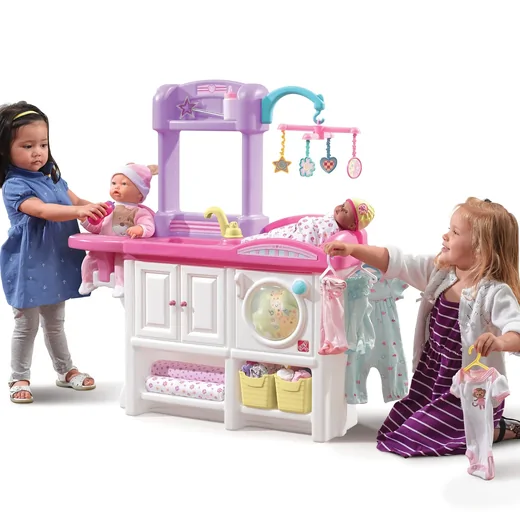

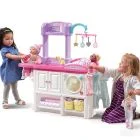
Love and Care Deluxe Nursery
https://www.step2direct.com.au/love-care-deluxe-nursery Now $242.10
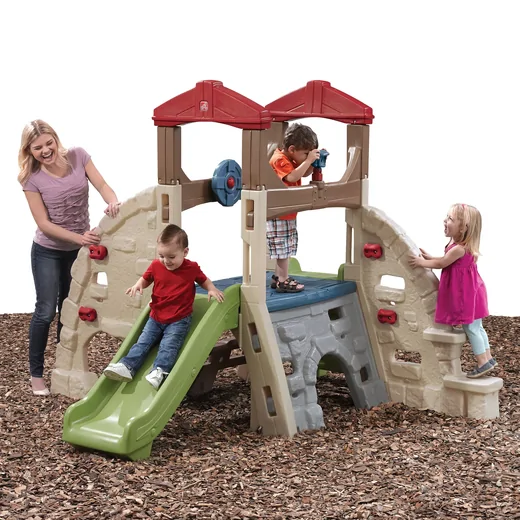
Alpine Ridge Climber and Slide
https://www.step2direct.com.au/alpine-ridge-climber-slide $1,199.00
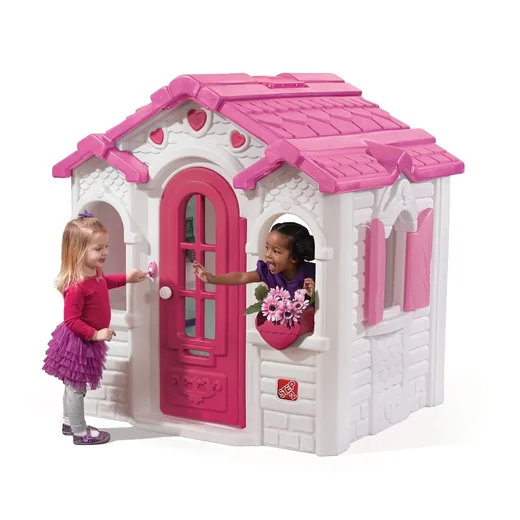
Sweetheart Playhouse
https://www.step2direct.com.au/sweetheart-playhouse Now $1,169.10
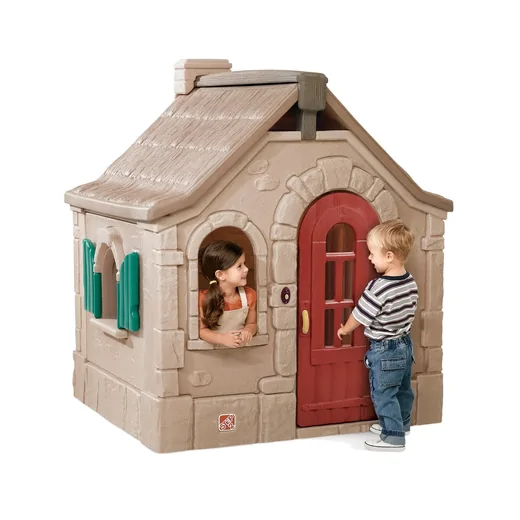
Storybook Cottage
https://www.step2direct.com.au/storey-book-cottage Now $1,349.10
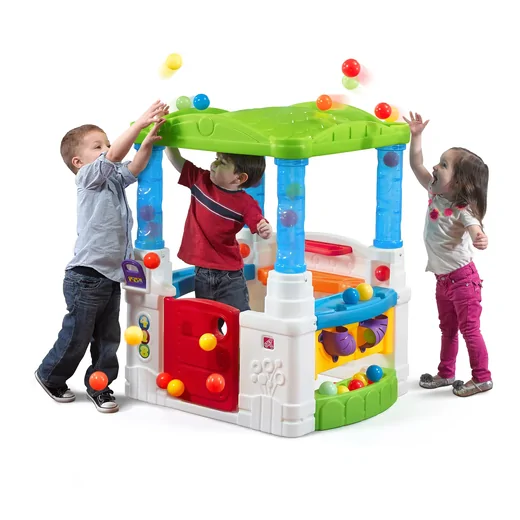
Wonderball Fun House
https://www.step2direct.com.au/wonderball-fun-house $419.00
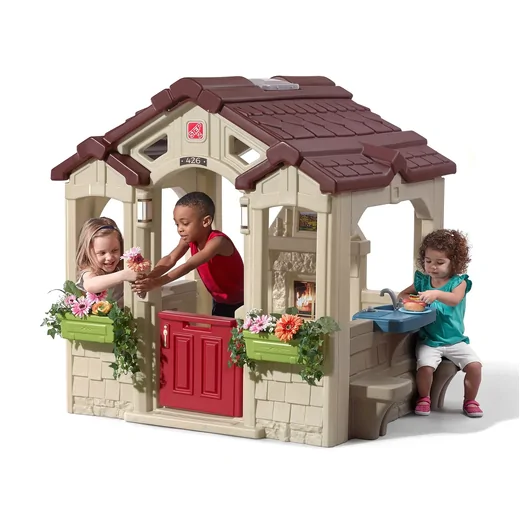
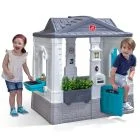
Charming Cottage
https://www.step2direct.com.au/charming-cottage-playhouse Now $1,169.10
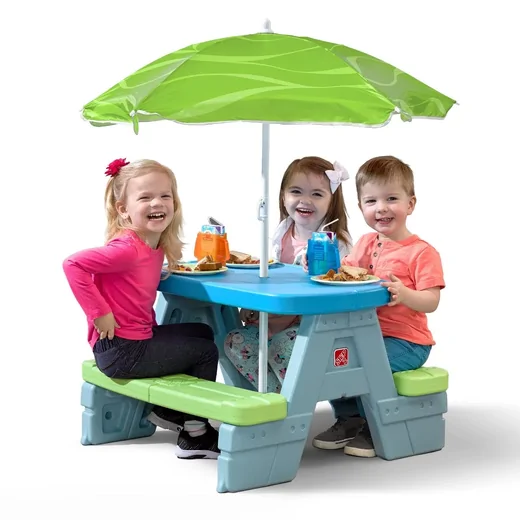
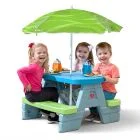
Sun & Shade Picnic Table With Umbrella
https://www.step2direct.com.au/sun-and-shade-picnic-table-with-umbrella Now $197.10
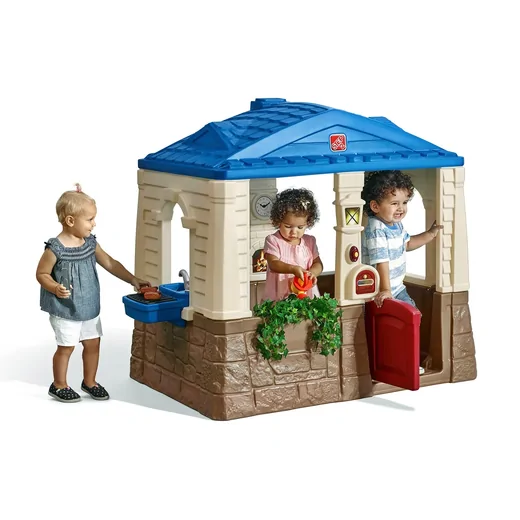
Neat and Tidy Cottage - Natural
https://www.step2direct.com.au/neat-tidy-cottage $649.00
Imagination and creativity in play
What imaginative play actually involves
Imaginative play is a child inventing something that isn't there - a story, a scenario, a world with its own rules - and acting it out. It's different from copying a real-world routine; it's generative, building something new out of nothing but a child's own ideas.
Why invented play matters
When a child turns a cubby house into a spaceship, a shop, or a secret hideout, they're doing genuine creative work - generating an idea, developing it, and sustaining it, often for far longer than an adult would expect. This kind of open-ended, self-directed storytelling builds flexible thinking in a way that structured or instructed play generally doesn't.
Which kinds of play build it
A cubby house or playhouse is a particularly strong fit here - an empty, enclosed, personal space naturally invites a child to decide what it is and what happens inside it, and that decision can change from one day to the next. Examples of imaginative play activities we see often: turning a cubby house into a spaceship, running it as a pretend shop, or declaring it a secret hideout. Nursery-style pretend play works similarly, inviting a child to invent a caregiving scenario and sustain it through imagined dialogue and actions. The lack of a fixed "purpose" is part of what makes both so effective - a cubby house is only ever what a child decides it is that day.
Letting the story stay theirs
Imaginative play works best when adults follow a child's lead rather than steering the story - the value is in the child's own invention, not in getting the "right" scenario. Even repetitive or unusual storylines are doing real creative work, even when they don't make obvious sense to an adult. Resisting the urge to correct or improve a child's scenario, even a slightly illogical one, protects the sense that the imagination genuinely belongs to them.
Frequently asked questions
Should I join in with my child's imaginative play?
Following your child's lead - accepting their version of the scenario rather than redirecting it - tends to work better than taking over the story, even if you're actively playing alongside them.
What if my child plays the same imaginative scenario repeatedly?
That's completely normal - repeating and refining a favourite scenario is part of how children develop and deepen imaginative play, not a sign they've run out of ideas.
Does imaginative play need lots of props to work?
Not necessarily, but a dedicated space like a cubby house gives imaginative play a natural "stage" that tends to sustain longer, more developed play than open-ended space alone.