











 Official Step2 Distributor
 Quick Dispatch (within 24h)
 30 Days Money Back Guarantee
 3 Year Warranty
-
Filter By Stock
- In Stock (17)
Filter By Brand
- Step2 (19)
Sensory Exploration
Sensory play activities give young children direct, hands-on ways to explore touch, sound, sight and movement - the foundation for a lot of early learning happens through the senses, well before it looks like formal learning. From simple messy play ideas at home through to a dedicated water or sand table, the right sensory activity depends more on your child's age and comfort with mess than on a fixed formula.
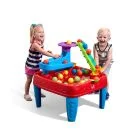
Sensory play activities for infants tend to work best kept simple and contained - texture, sound, gentle movement, with an adult close by. Sensory play activities for preschoolers can go further, with pouring, scooping and cause-and-effect elements like pumps and spinners holding their attention for longer, more independent sessions. Water and sand play tables are the clearest example of both in one place - browse our water table range and sand table range to see the styles available. If you're short on messy play ideas and want something easier to contain than an open sandpit or a splash of water on the lawn, a dedicated table is one of the simplest starting points.
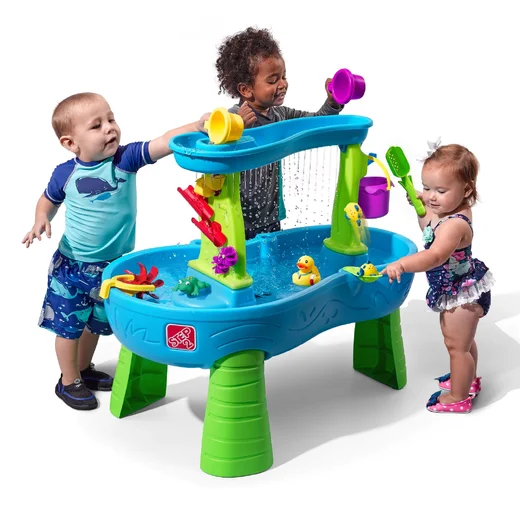

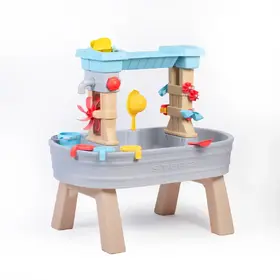
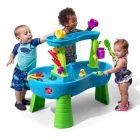
Rain Showers Splash Pond Water Table
https://www.step2direct.com.au/rain-showers-splash-pond-water-table Now $197.10
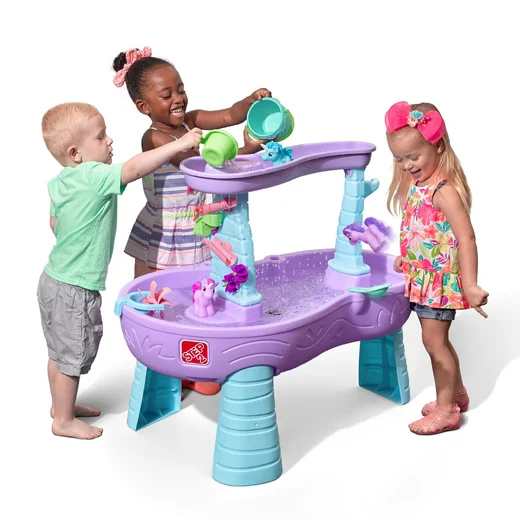
Rain Showers and Unicorns Water Table
https://www.step2direct.com.au/rain-showers-and-unicorn-water-table Now $197.10
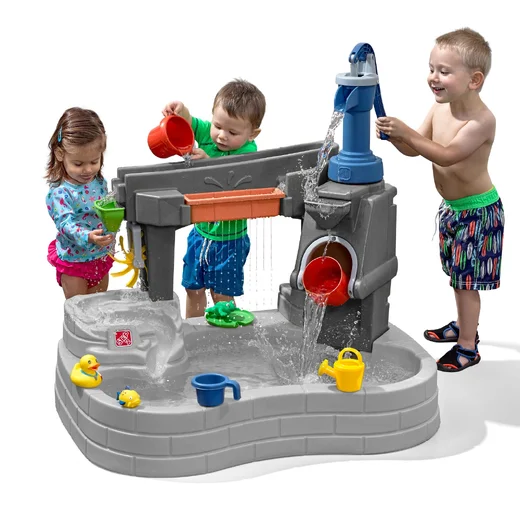
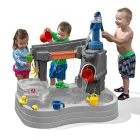
Pump and Splash Discovery Stone Pond
https://www.step2direct.com.au/pump-and-splash-discovery-stone-pond $319.00
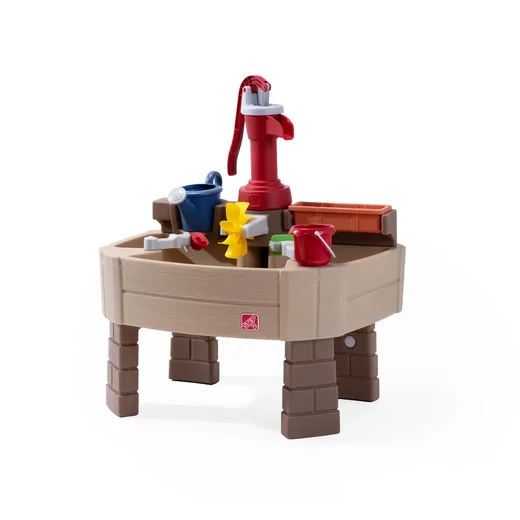
Pump and Splash Discovery Water Table
https://www.step2direct.com.au/pump-and-splash-discovery-water-table $199.00
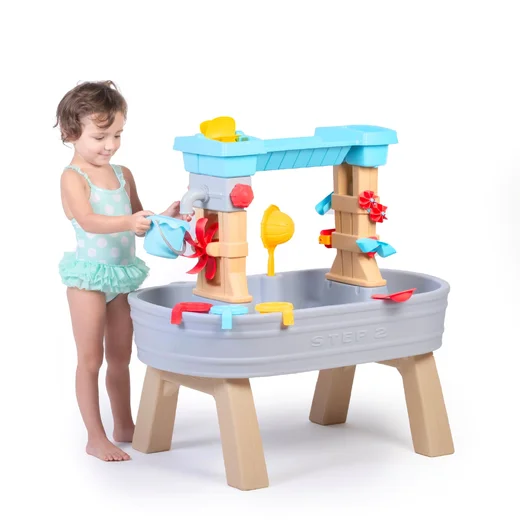
Rain Showers & Flow Water Table
https://www.step2direct.com.au/rain-showers-and-flow-water-table Now $206.10
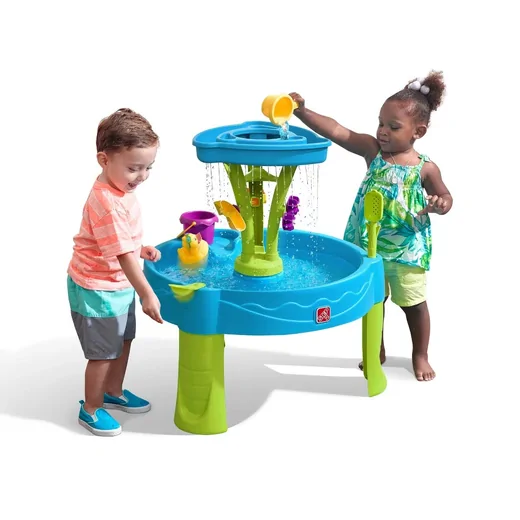
Summer Showers Splash Tower Water Table
https://www.step2direct.com.au/summer-showers-splash-tower-water-table Now $152.10
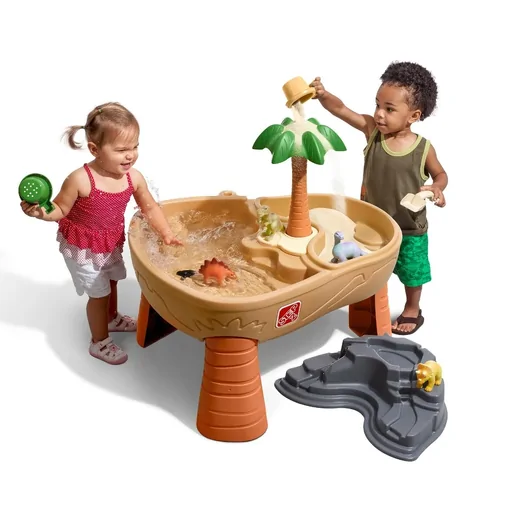
Dino Dig Sand and Water Table
https://www.step2direct.com.au/dino-dig-sand-water-table Now $215.10
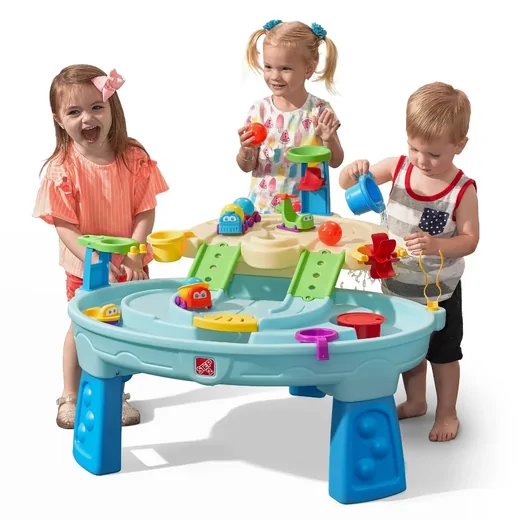
Ball Buddies Adventure and Water Centre
https://www.step2direct.com.au/ball-buddies-adventure-centre-and-water-table $249.00
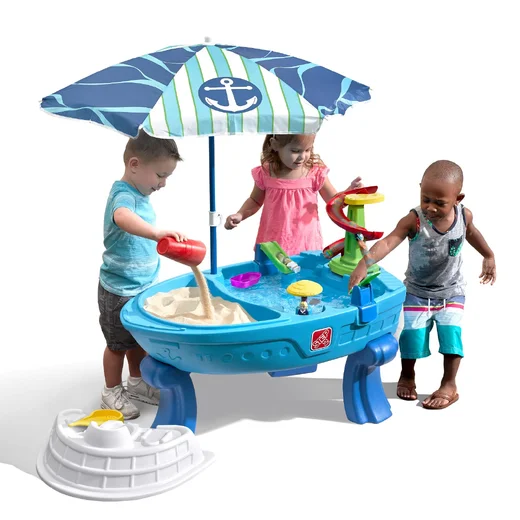
Fiesta Cruise Water Table with Umbrella
https://www.step2direct.com.au/fiesta-cruise-water-table-with-umbrella Now $224.10
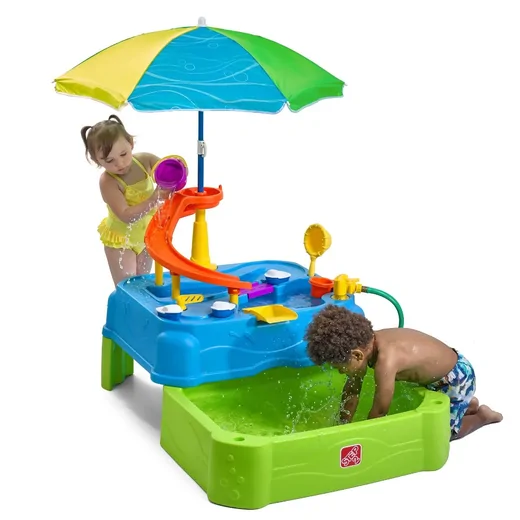
Waterpark Wonders Two-Tier Water Table
https://www.step2direct.com.au/waterpark-wonders-two-tier-water-table $329.00
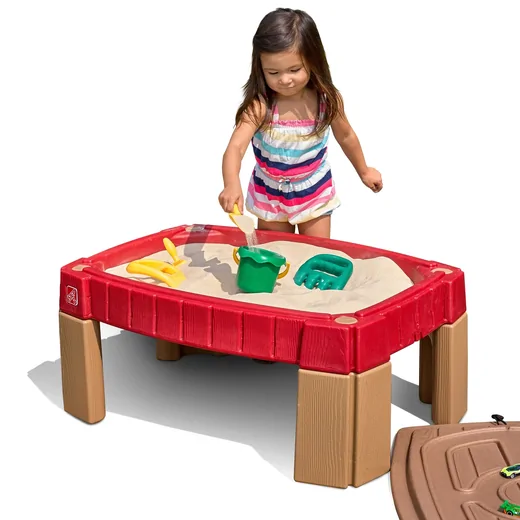
Naturally Playful Sand Table
https://www.step2direct.com.au/naturally-playful-sand-table Now $179.10
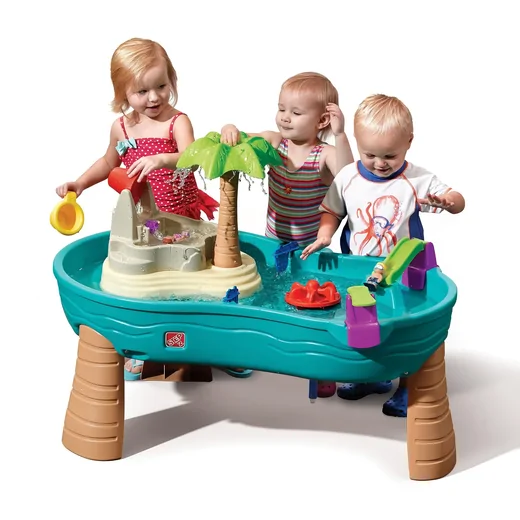
Splish Splash Seas Water Table
https://www.step2direct.com.au/splish-splash-seas-water-table Now $215.10
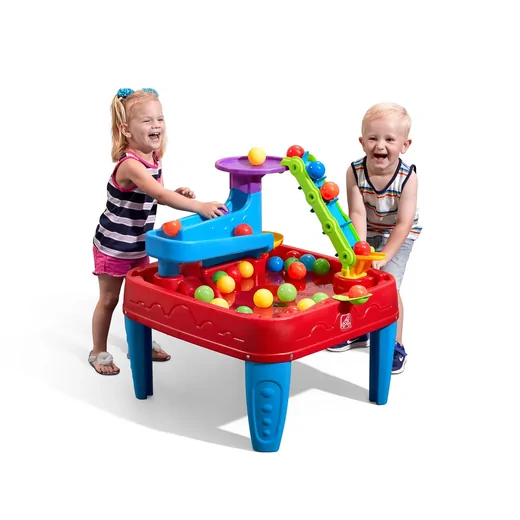
STEM Discovery Ball Table
https://www.step2direct.com.au/stem-discovery-ball-table Now $179.10
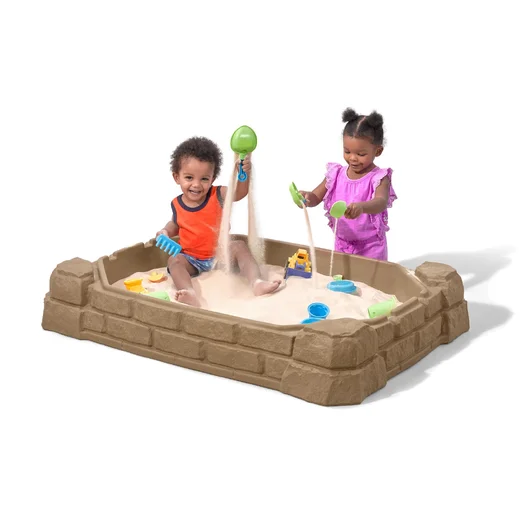
Naturally Playful Sandbox
https://www.step2direct.com.au/naturally-playful-sandbox $299.00
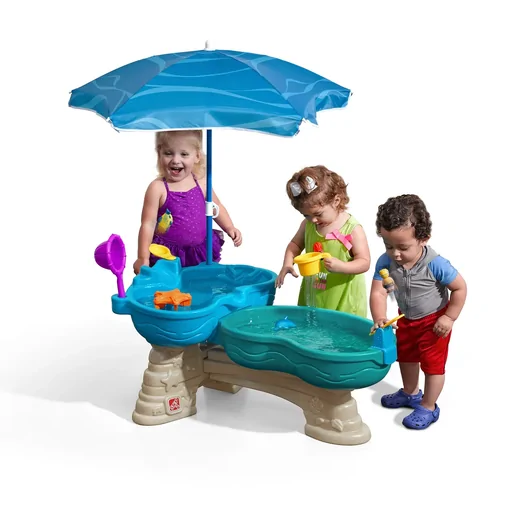
Spill and Splash Seaway Water Table
https://www.step2direct.com.au/spill-and-splash-seaway-water-table $229.00
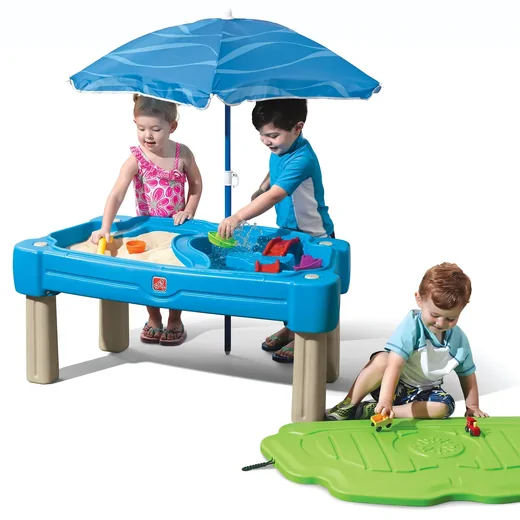
Cascading Cove Sand and Water Table
https://www.step2direct.com.au/cascading-cove-sand-and-water-table $269.00
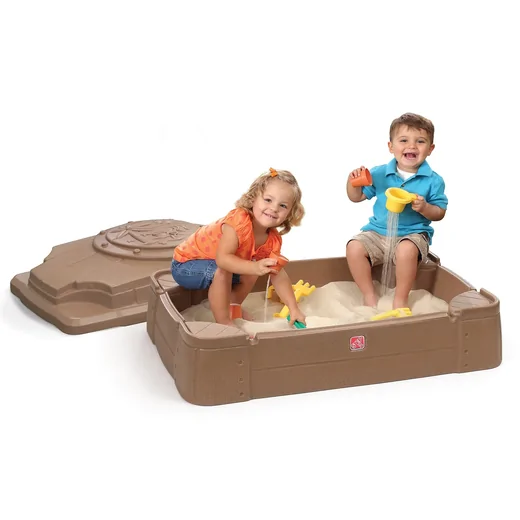
Play and Store Sandbox
https://www.step2direct.com.au/play-store-sandbox Now $197.10
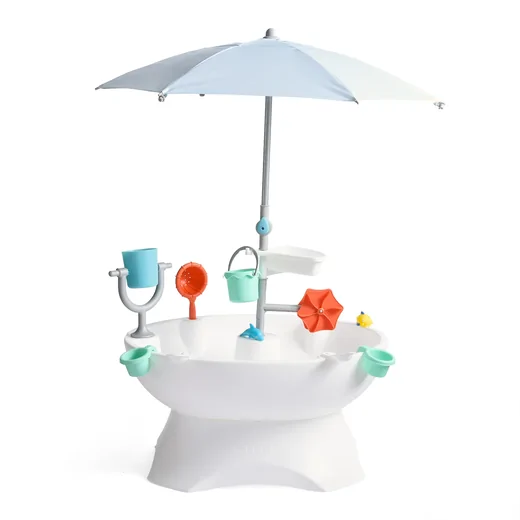
Sunshine Springs Splash Table with CoolBreeze Mist
https://www.step2direct.com.au/sunshine-springs-splash-table-with-coolbreeze-misting-canopy $319.00
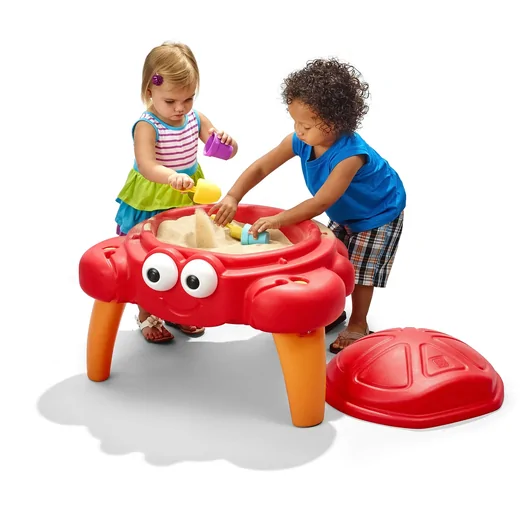
Crabbie Sand Table
https://www.step2direct.com.au/crabbie-sand-table $149.00
Sensory play activities and exploration
What sensory exploration actually covers
Sensory exploration is how young children learn about the world before they have the language to ask questions about it - through touch, sight, sound and movement. Pouring, splashing, scooping and feeling different textures all give a child direct, physical information about how the world works, in a way that's hard to replace with explanation alone.
Why open-ended sensory play matters
Unlike a toy with one "correct" way to play, sensory materials like water and sand reward exploration itself - there's no wrong way to pour, scoop or splash, which makes this kind of play genuinely low-pressure while still being rich in learning. Children build an early, physical understanding of cause and effect (tipping this makes water flow that way), volume, and texture, all through repeated, self-directed play rather than instruction. It's also naturally calming for a lot of children - the repetitive, predictable nature of pouring and scooping can be genuinely soothing, not just stimulating.
Sensory play activities that build it
Water and sand play tables are the clearest example - scooping, pouring, and watching water move through spinners and channels gives constant, varied sensory feedback in a single session. Some also add mechanical elements like pumps and funnels, which layer a bit of early cause-and-effect reasoning on top of the pure sensory experience. Sand adds a genuinely different texture and resistance to work against compared to water, so having access to both gives a wider range of sensory input than either alone.
Making the most of it
Sensory play doesn't need much adult direction to be valuable - often the best thing to do is let a child explore at their own pace rather than showing them the "right" way to use the water or sand. Repetition that looks aimless to an adult (pouring the same cup of water over and over) is often exactly how the learning happens. If you're short on messy play ideas, a water or sand table is one of the simplest starting points - it's already contained, so there's less setup and clean-up than most other messy play at home.
Frequently asked questions
What sensory play activities suit infants versus preschoolers?
Sensory play is valuable across a wide age range, but the shape of it changes with age. Infants get the most out of simple, contained sensory input - texture, sound, gentle movement - with an adult close by, while preschoolers can manage longer, more independent sensory play activities with pouring, scooping and cause-and-effect elements like pumps and spinners.
Does sensory play need to be messy to be effective?
Not necessarily - while water and sand play does involve some mess, the learning value comes from the sensory feedback itself (texture, movement, cause and effect), not from the mess specifically. Outdoor water and sand tables help contain it to one area.
How long should a sensory play session last?
There's no fixed rule - children will often self-regulate, moving on when they've had enough. Following your child's lead on duration tends to work better than setting a strict time.
What if my child seems to dislike messy or sensory play?
Some children are more sensitive to certain textures or sensations than others, and that's completely normal - there's no need to force it. Offering sensory play as an option rather than an expectation, and starting with drier, less intense materials before wetter or messier ones, often helps a hesitant child ease in at their own pace.