








 Official Step2 Distributor
 Quick Dispatch (within 24h)
 30 Days Money Back Guarantee
 3 Year Warranty
-
Filter By Stock
- In Stock (20)
Filter By Brand
- Step2 (23)
STEM Learning
STEM - science, technology, engineering and maths - sounds academic, but for young children it starts as something much simpler: noticing cause and effect. What happens when I turn this? Why does the water go this way and not that way? These are genuine early science and engineering questions, just asked through play rather than words.
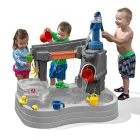
Water tables with pumps, valves and spinners are a strong fit for this kind of play - operating a pump to move water, or watching a spinner react to water flow, is simple mechanical cause-and-effect made visible and immediate. Browse our water table range to see the styles with mechanical features built in. Ball-drop and pulley-style toys work the same way with different mechanics, introducing basic engineering concepts like motion and gravity well before a child could name them - our sensory play range includes several of these mechanical, cause-and-effect designs.
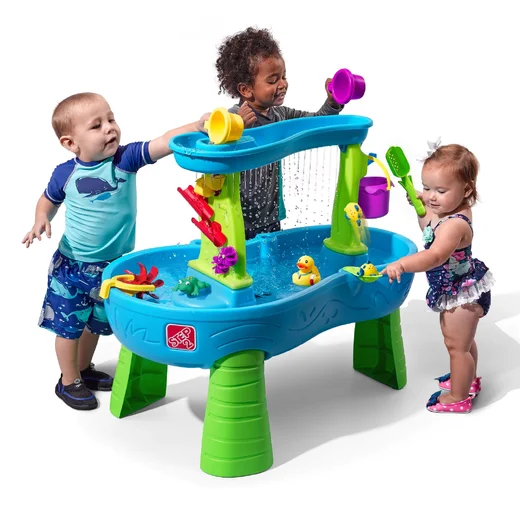

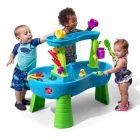
Rain Showers Splash Pond Water Table
https://www.step2direct.com.au/rain-showers-splash-pond-water-table Now $197.10
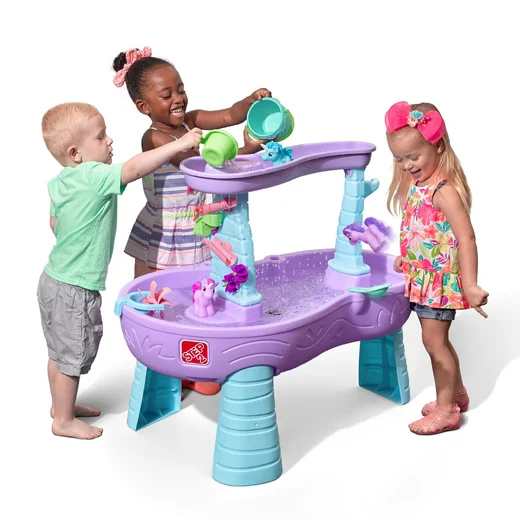
Rain Showers and Unicorns Water Table
https://www.step2direct.com.au/rain-showers-and-unicorn-water-table Now $197.10
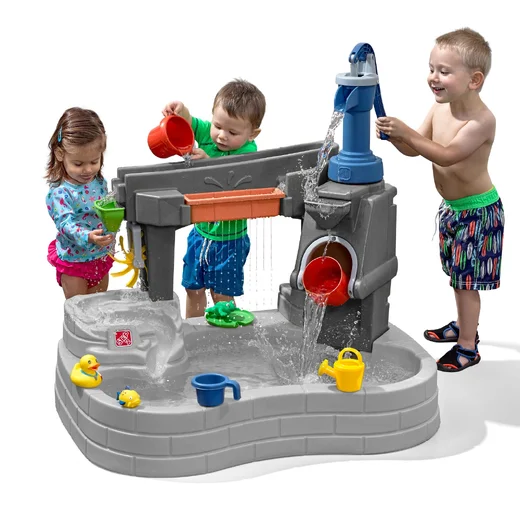
Pump and Splash Discovery Stone Pond
https://www.step2direct.com.au/pump-and-splash-discovery-stone-pond Now $287.10
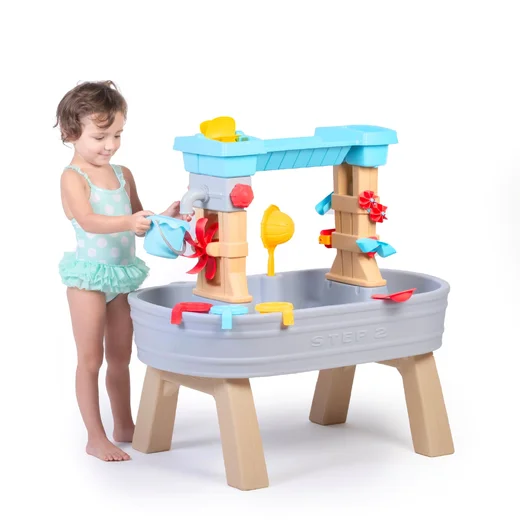
Rain Showers & Flow Water Table
https://www.step2direct.com.au/rain-showers-and-flow-water-table $229.00
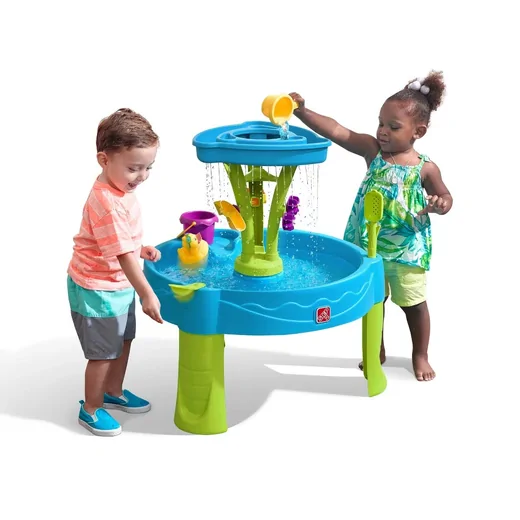
Summer Showers Splash Tower Water Table
https://www.step2direct.com.au/summer-showers-splash-tower-water-table Now $152.10
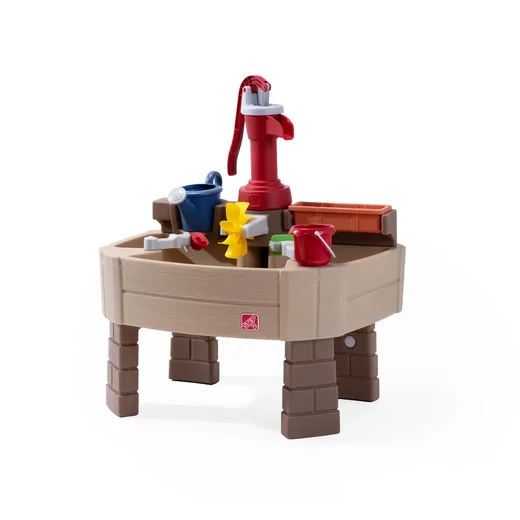
Pump and Splash Discovery Water Table
https://www.step2direct.com.au/pump-and-splash-discovery-water-table Now $179.10
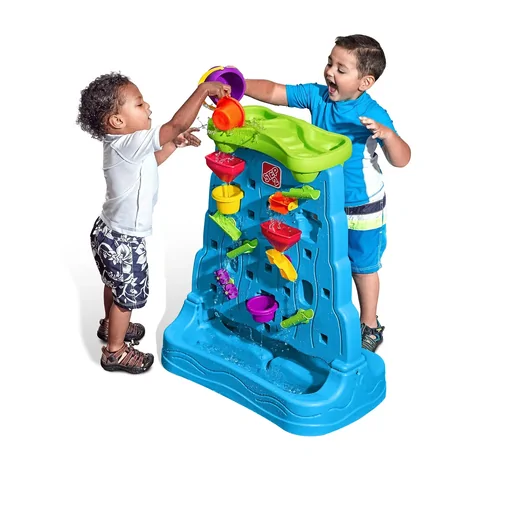
Waterfall Discovery Wall
https://www.step2direct.com.au/waterfall-discovery-wall Now $152.10
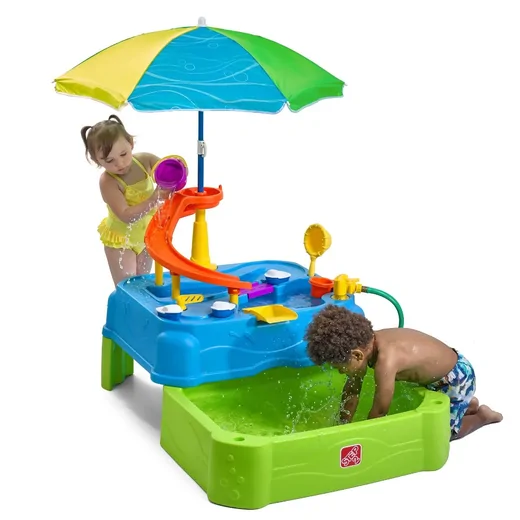
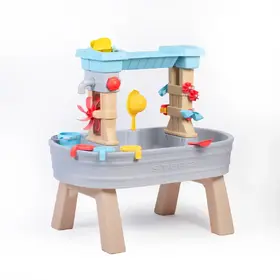
Waterpark Wonders Two-Tier Water Table
https://www.step2direct.com.au/waterpark-wonders-two-tier-water-table Now $296.10
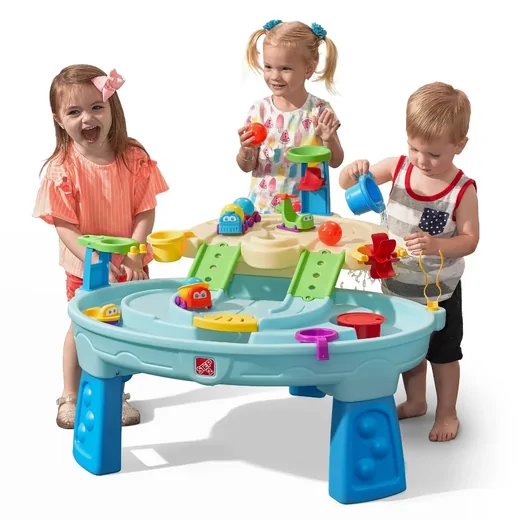
Ball Buddies Adventure and Water Centre
https://www.step2direct.com.au/ball-buddies-adventure-centre-and-water-table $249.00
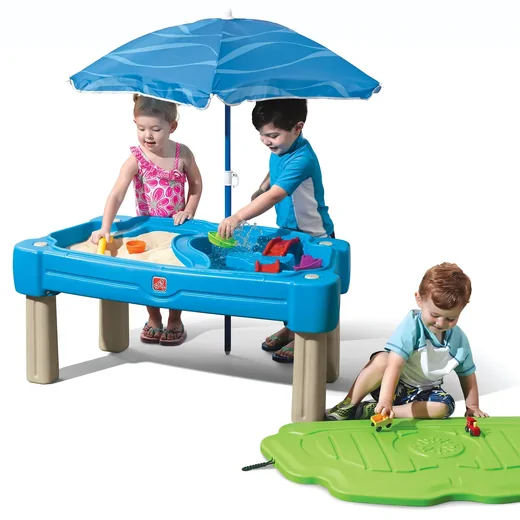
Cascading Cove Sand and Water Table
https://www.step2direct.com.au/cascading-cove-sand-and-water-table $269.00
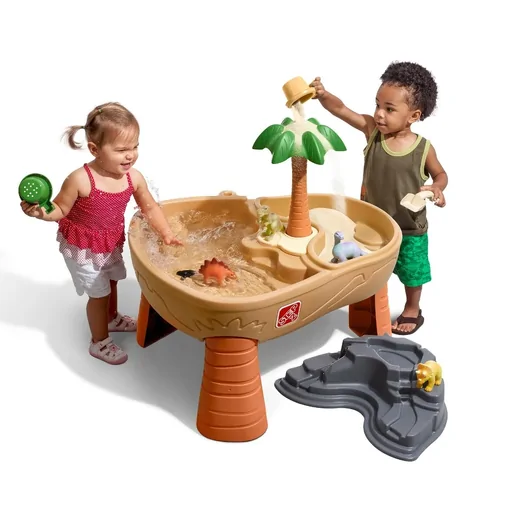
Dino Dig Sand and Water Table
https://www.step2direct.com.au/dino-dig-sand-water-table $239.00
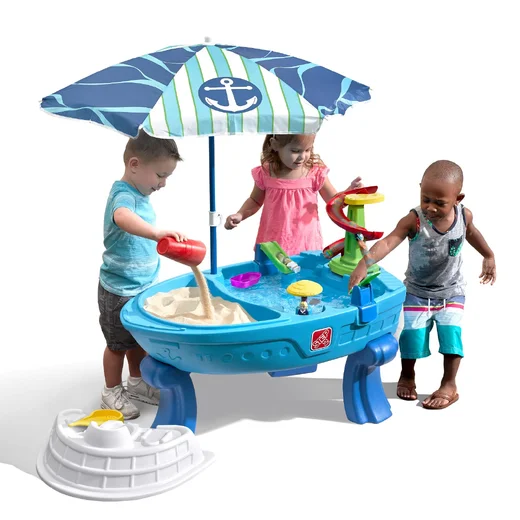
Fiesta Cruise Water Table with Umbrella
https://www.step2direct.com.au/fiesta-cruise-water-table-with-umbrella $249.00
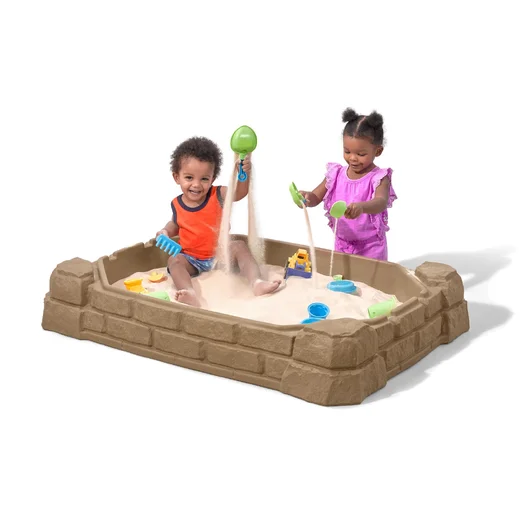
Naturally Playful Sandbox
https://www.step2direct.com.au/naturally-playful-sandbox $299.00
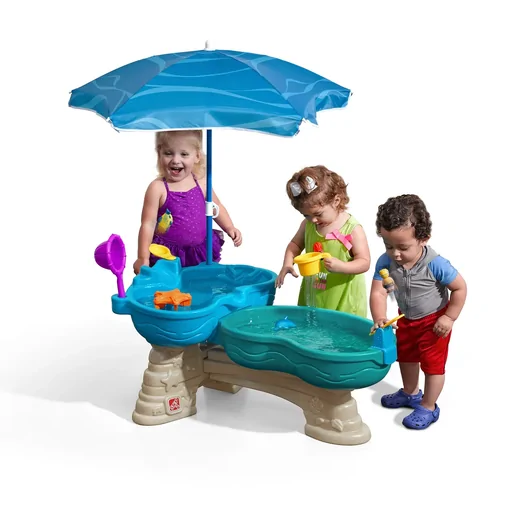
Spill and Splash Seaway Water Table
https://www.step2direct.com.au/spill-and-splash-seaway-water-table Now $206.10
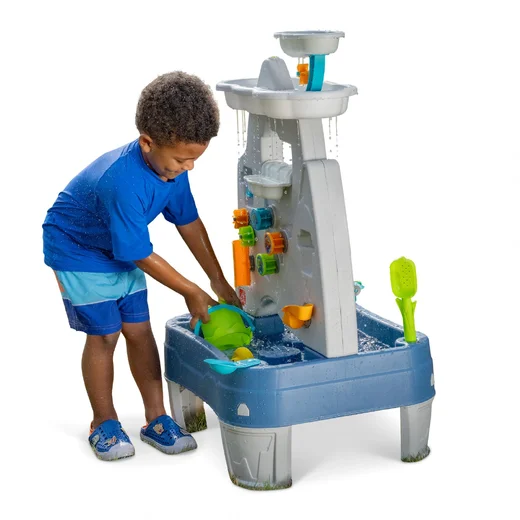
Misting Mountain & Waterfall
https://www.step2direct.com.au/misting-mountain-and-waterfall Now $197.10
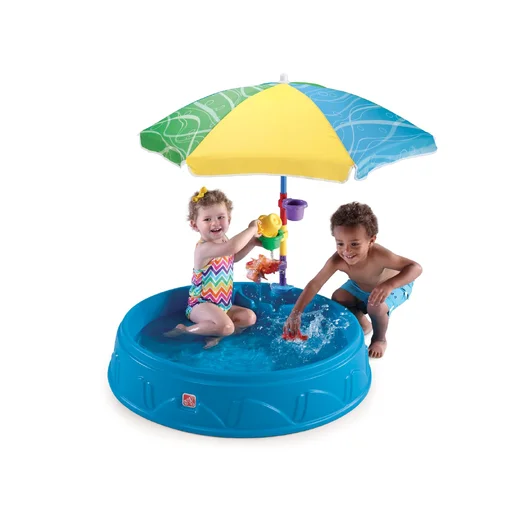
Play and Shade Pool
https://www.step2direct.com.au/play-shade-pool $219.00
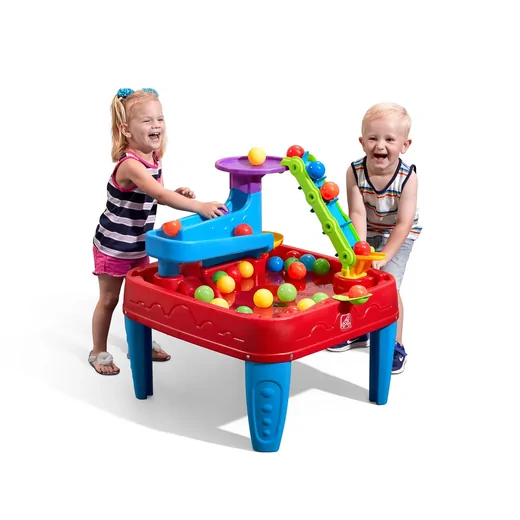
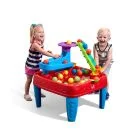
STEM Discovery Ball Table
https://www.step2direct.com.au/stem-discovery-ball-table Now $179.10
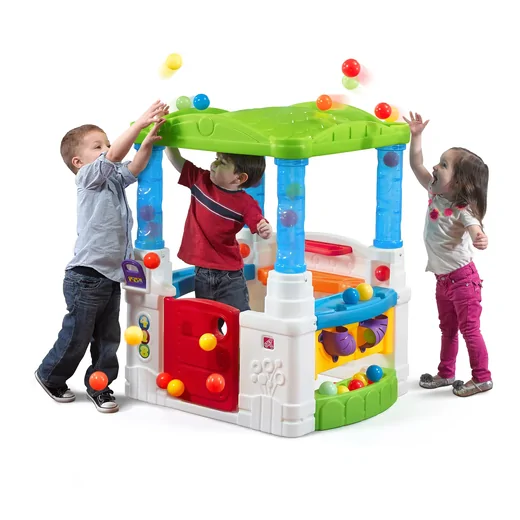
Wonderball Fun House
https://www.step2direct.com.au/wonderball-fun-house Now $377.10
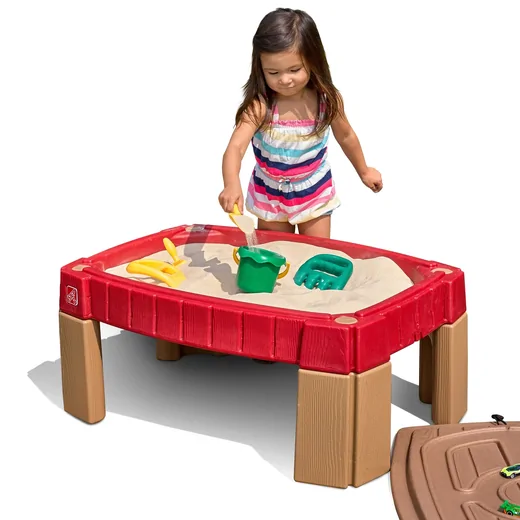
Naturally Playful Sand Table
https://www.step2direct.com.au/naturally-playful-sand-table Now $179.10
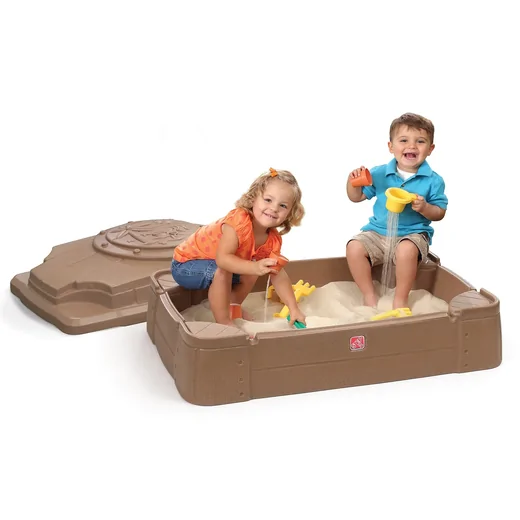
Play and Store Sandbox
https://www.step2direct.com.au/play-store-sandbox $219.00
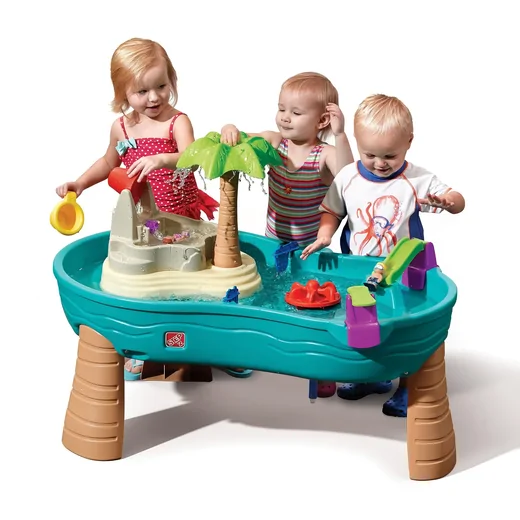
Splish Splash Seas Water Table
https://www.step2direct.com.au/splish-splash-seas-water-table Now $215.10
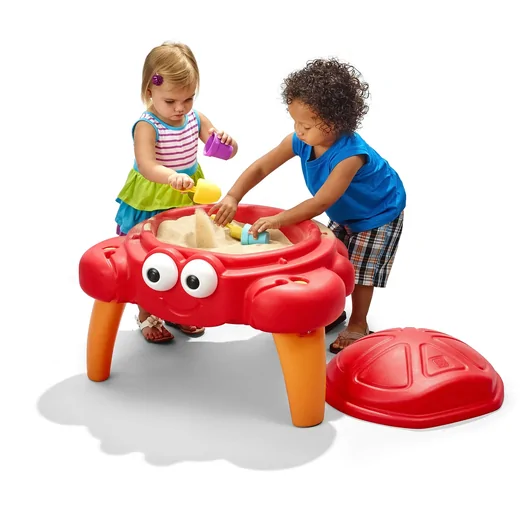
Crabbie Sand Table
https://www.step2direct.com.au/crabbie-sand-table $149.00
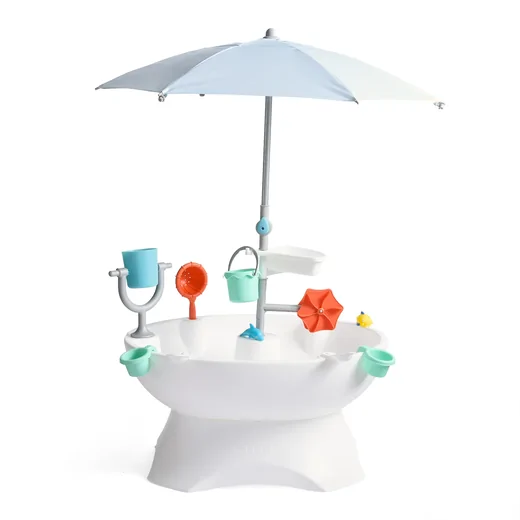
Sunshine Springs Splash Table with CoolBreeze Mist
https://www.step2direct.com.au/sunshine-springs-splash-table-with-coolbreeze-misting-canopy $319.00
STEM learning and play
What STEM learning looks like before school age
STEM - science, technology, engineering and maths - sounds academic, but for young children it starts as something much simpler: noticing cause and effect. What happens when I turn this? Why does water go this way and not that way? What happens if I pour faster? These are genuine early science and engineering questions, just asked through play instead of words.
Why hands-on cause-and-effect play matters
Unlike being told how something works, figuring it out through direct experimentation builds a much deeper, more durable understanding - and it's genuinely engaging in a way a verbal explanation to a three year old rarely is. Pumps, funnels, spinners and simple mechanical parts let a child test an idea, see the result immediately, and adjust - which is the same basic process behind formal STEM learning later on.
Which kinds of play build it
Water tables with pumps, valves and spinners are a strong fit here - operating a pump to move water, or watching how a spinner reacts to water flow, is simple mechanical cause-and-effect made visible and immediate. Ball-drop and pulley-style toys work the same way with different mechanics - cranking, dropping, and tracking how an object moves through a system of ramps and channels, which introduces basic engineering concepts like motion and gravity well before a child could name them.
Keeping it playful, not academic
The value here comes from genuine curiosity and repeated experimentation, not from turning play into a lesson. A child who pours water the same way twenty times to see if the same thing happens is doing real scientific thinking, even if it looks like simple repetition from the outside - that repetition is often how a young child confirms a pattern before moving on to testing a variation.
Frequently asked questions
Is my child too young for STEM-focused play?
No - cause-and-effect play, the foundation of STEM thinking, is appropriate from toddlerhood onward. It doesn't require reading, counting or any formal academic skill to begin, just curiosity and hands-on materials.
Do I need to explain the science behind the play?
Not necessarily - letting a child discover cause and effect through their own experimentation is often more valuable than an explanation, especially at younger ages. Simple, open questions ("what do you think will happen?") work better than detailed explanations.
What's the difference between STEM play and general problem-solving play?
STEM play specifically involves cause-and-effect mechanics - pumps, pulleys, simple machines - while broader problem-solving covers a wider range of challenges, like navigating a climbing structure or arranging a pretend scenario. STEM play is a more specific, mechanically-focused subset.