


 Official Step2 Distributor
 Quick Dispatch (within 24h)
 30 Days Money Back Guarantee
 3 Year Warranty
-
Filter By Category
- Climbers and Swing Sets (6)
- Kids Climbers (6)
-
Filter By Stock
- In Stock (12)
Filter By Brand
- Step2 (16)
Gross Motor Skills
Gross motor skills are the big, whole-body movements - running, climbing, balancing, pushing off and riding. The best gross motor skills activities give children constant, self-directed opportunities to practise these movements in a way that feels like fun rather than exercise, building strength, balance and coordination through repetition rather than instruction.
Activities for gross motor skills look different by age. Infants and young toddlers do best with simple, supported movement - pushing a ride-on, crawling, pulling up to stand - browse our ride-on range for options suited to this stage. Gross motor skills activities for preschoolers can go further, with climbing, balancing and steering a roller coaster across a longer, more sustained session - see our climbing frame range and roller coaster range. Free, unstructured active play matters just as much as any particular piece of equipment - the main thing it needs is regular opportunity and enough space to move.
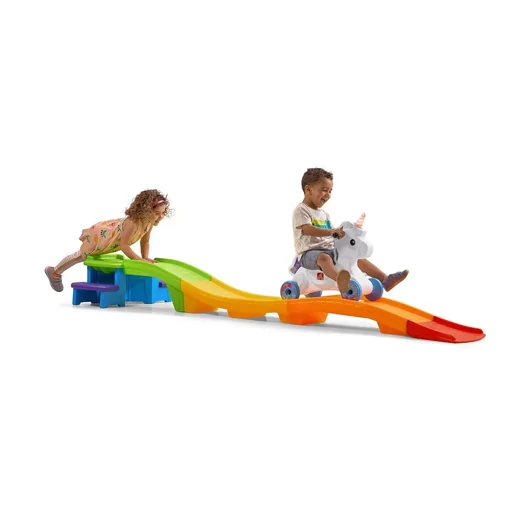
Unicorn Up and Down Roller Coaster
https://www.step2direct.com.au/unicorn-up-and-down-roller-coaster $329.00
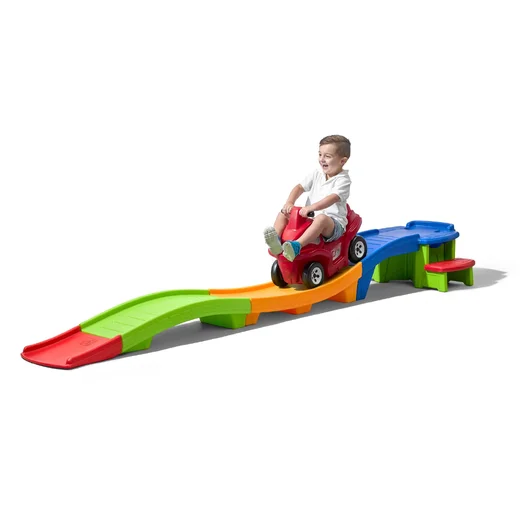
Ride & Hide Up & Down Roller Coaster
https://www.step2direct.com.au/up-and-down-roller-coaster-ride-and-hide-edition $329.00
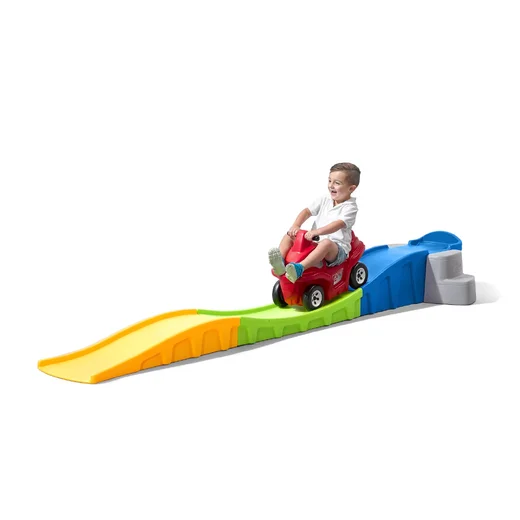

Up and Down Roller Coaster - Anniversary Edition
https://www.step2direct.com.au/up-down-roller-coaster-anniversary-edition Now $296.10
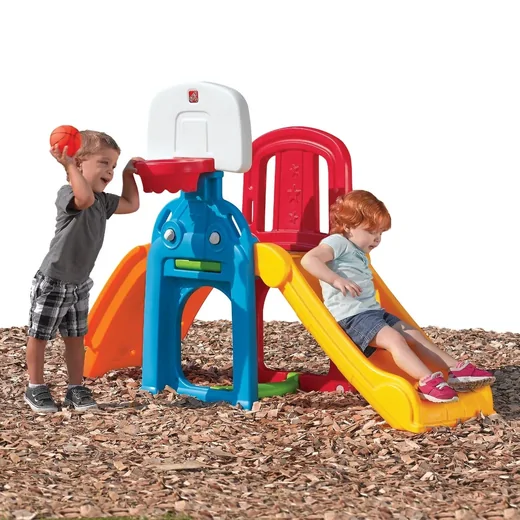
Game Time Sports Climber
https://www.step2direct.com.au/game-time-sports-climber Now $271.15
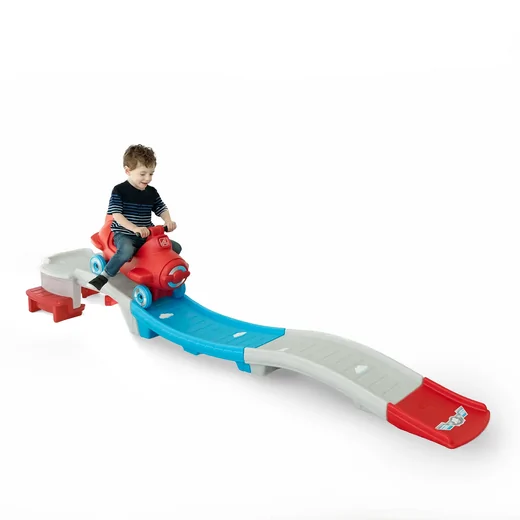
Sky Rider Up & Down Roller Coaster
https://www.step2direct.com.au/sky-rider-up-and-down-roller-coaster Now $263.20
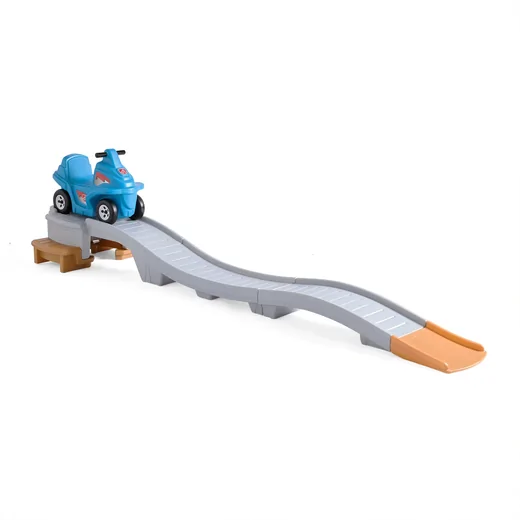
Up and Down Roller Coaster Platinum Edition
https://www.step2direct.com.au/up-and-down-roller-coaster-platinum-edition $329.00
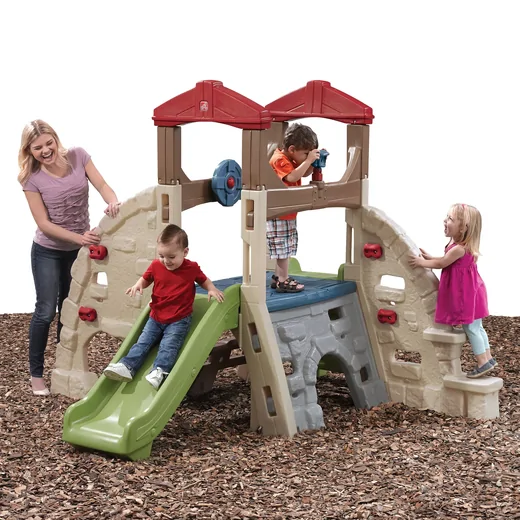
Alpine Ridge Climber and Slide
https://www.step2direct.com.au/alpine-ridge-climber-slide $1,199.00
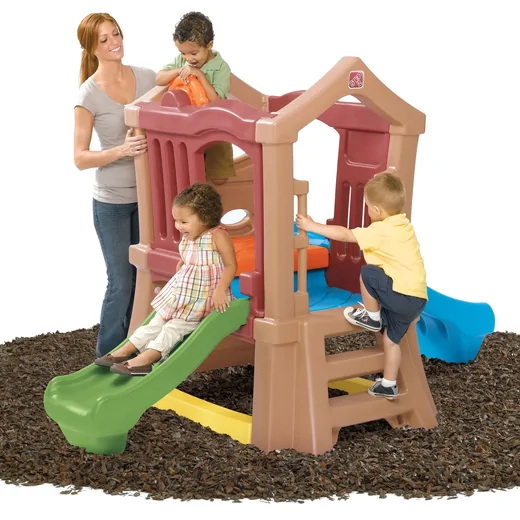
Play Up Double Slide Climber
https://www.step2direct.com.au/play-up-double-slide-climber $1,199.00
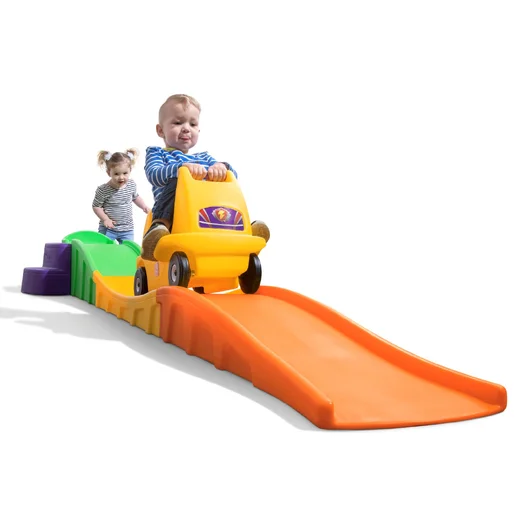
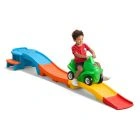
Up and Down Roller Coaster
https://www.step2direct.com.au/up-down-coaster $329.00
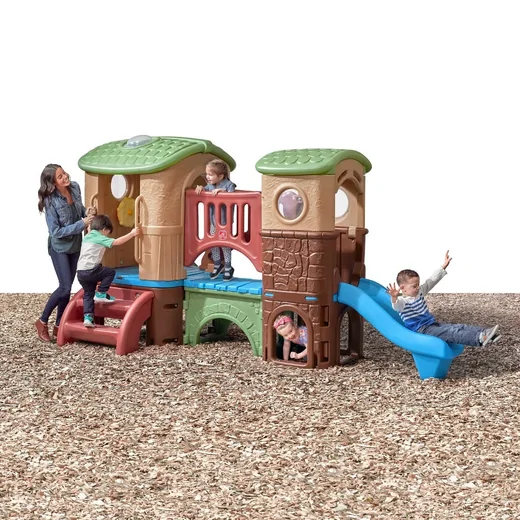
Clubhouse Climber - Natural
https://www.step2direct.com.au/clubhouse-climber-natural $2,799.00
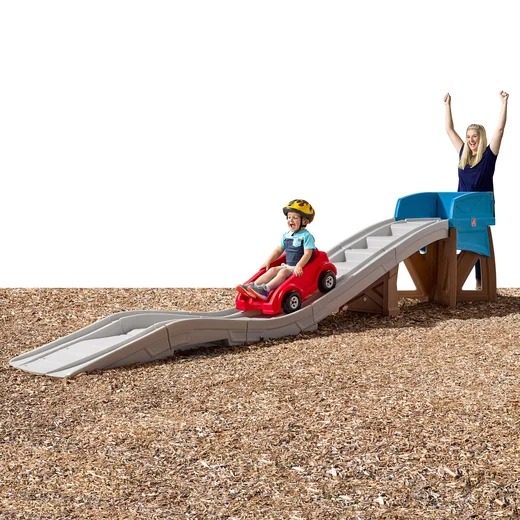
Extreme Thrill Roller Coaster
https://www.step2direct.com.au/extreme-thrill-roller-coaster Now $879.20
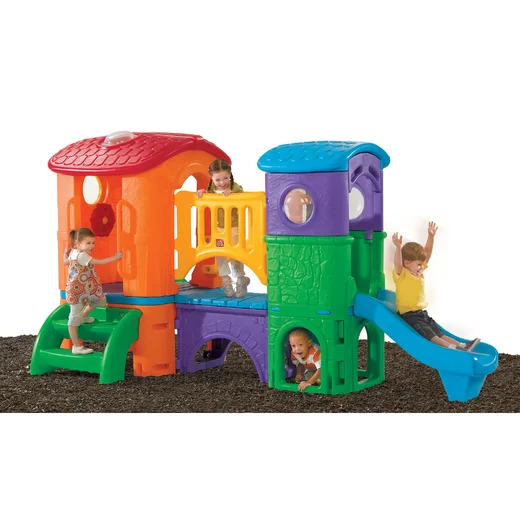
Clubhouse Climber - Bright
https://www.step2direct.com.au/clubhouse-climber-bright $2,799.00
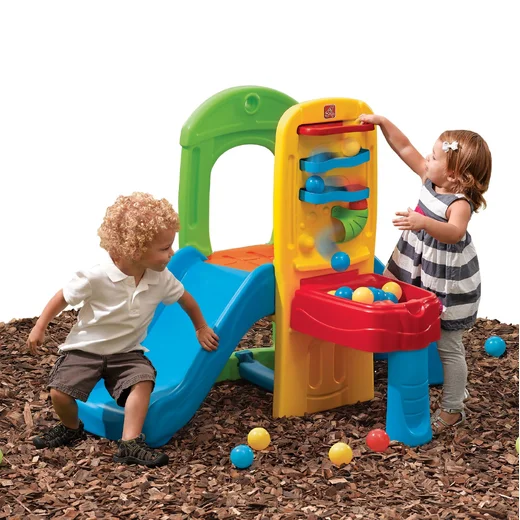
Play Ball Fun Climber
https://www.step2direct.com.au/play-ball-fun-climber Now $269.10
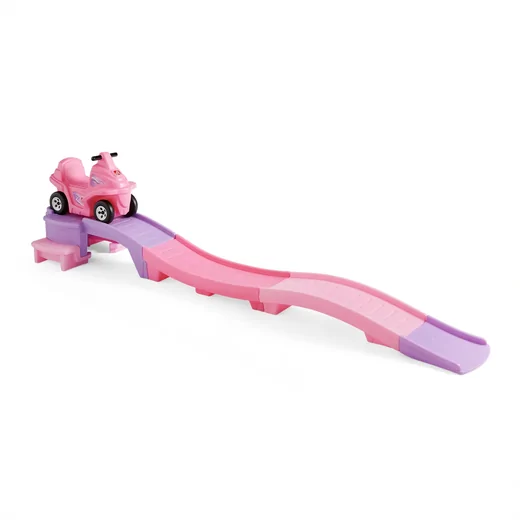
Bubblegum Blast Up & Down Roller Coaster
https://www.step2direct.com.au/bubblegum-blast-up-and-down-roller-coaster $329.00
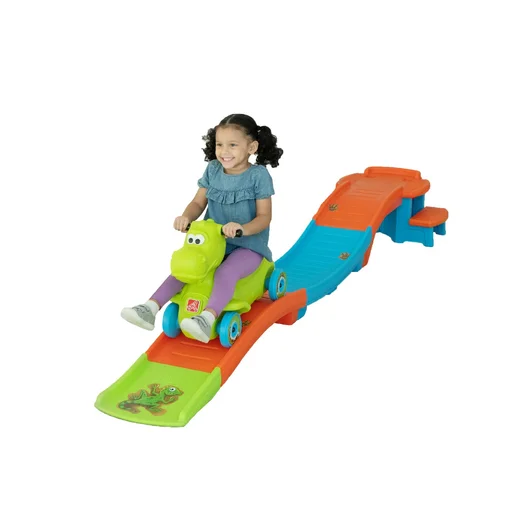
Dino Dash Up & Down Roller Coaster
https://www.step2direct.com.au/dino-dash-up-and-down-roller-coaster $329.00
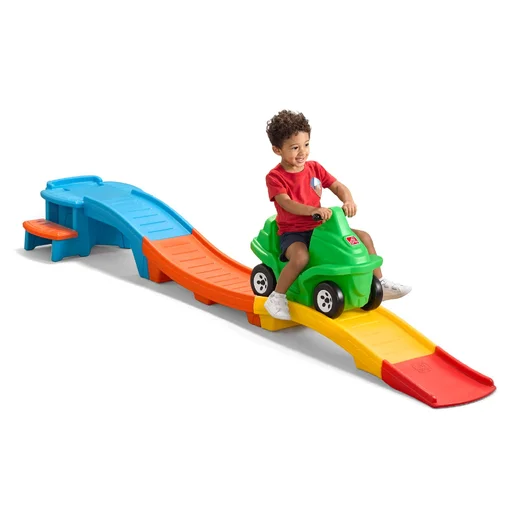
Racing Green Up & Down Roller Coaster
https://www.step2direct.com.au/racing-green-up-down-roller-coaster Now $296.10
Gross motor skills activities and play
What gross motor skills cover
Gross motor skills are the big, whole-body movements - running, climbing, balancing, pushing off and riding - as opposed to fine motor skills, which cover small, precise hand and finger movements. Gross motor development underpins almost every other kind of physical activity a child will do, from playground games to sport later on.
Why active, whole-body play matters
Strength, balance and coordination all develop through repeated physical practice, not instruction - a child learns to balance by actually balancing, over and over, adjusting slightly each time. Active play gives children constant, self-directed opportunities for that repetition, in a way that feels like fun rather than exercise. It also tends to build confidence alongside the physical skill itself, since each small success - a faster run, a steadier climb - is immediately, visibly rewarding.
Gross motor skills activities that build it
Roller coasters and ride-on equipment give a child the chance to practise balance, steering and momentum control in a genuinely active, sustained way, often over a longer, more repetitive session than other active play allows. Climbing structures work differently but complementarily - building strength, coordination and body awareness through pulling, stepping and reaching rather than riding. Infants and very young toddlers generally do better with simpler push-and-ride activities before moving on to the more complex balance and steering involved in climbing or roller-coaster play, which tends to suit preschool-age children best.
Balancing active play with everything else
Gross motor play doesn't need to be structured to be valuable - free, unstructured active play often builds just as much strength and coordination as anything more organised. The main thing it needs is regular opportunity and enough space to move freely, which matters just as much as any particular piece of equipment.
Frequently asked questions
What gross motor skills activities suit preschoolers versus infants?
Infants and young toddlers benefit most from simple, supported movement - pushing a ride-on, crawling, pulling up to stand - while preschoolers can generally manage more sustained, complex gross motor activities like climbing, balancing and steering a roller coaster or ride-on across a longer session.
How is gross motor development different from fine motor development?
Gross motor skills involve big, whole-body movement like running, climbing and balancing, while fine motor skills cover small, precise hand and finger movements like gripping or twisting. Both develop through repeated, self-directed activities, just through very different kinds of movement.
How much active play does a young child need?
There's no single fixed number, but regular daily opportunities for active, whole-body movement are generally recommended throughout early childhood to support healthy physical development.
What's a sign my child needs more gross motor practice?
Noticeable hesitancy with climbing, balancing or running compared to peers can be worth paying attention to, though individual development varies a lot - more active play opportunities are a reasonable first step either way.