













 Official Step2 Distributor
 Quick Dispatch (within 24h)
 30 Days Money Back Guarantee
 3 Year Warranty
-
Filter By Stock
- In Stock (10)
Filter By Brand
- Step2 (10)
Language Skills
Language development is more than learning new words - it's narrating actions, following a sequence of steps, and using language to negotiate a shared scenario with someone else. Play gives children real reasons to use language actively rather than just absorbing it, which is exactly why activities for language development so often centre on pretend scenarios rather than flashcards or drills.
A play kitchen is one of the strongest language development activities there is - it naturally prompts a running narration of actions and a vocabulary specific to cooking, food and mealtime routines. Browse our play kitchen range to see the styles available. Playing alongside a sibling or friend adds another layer, since sharing a pretend kitchen means negotiating turns, describing what you're making, and following or giving simple instructions. Narrating alongside your child, rather than quizzing them on vocabulary, tends to build language more naturally than a deliberate lesson would.
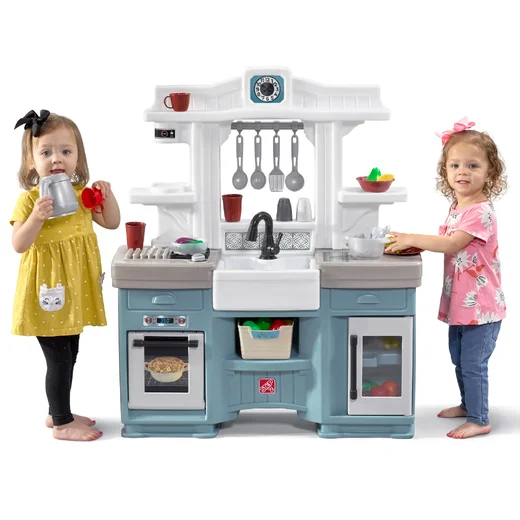
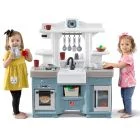
Timeless Trends Kitchen
https://www.step2direct.com.au/timeless-trends-kitchen $249.00
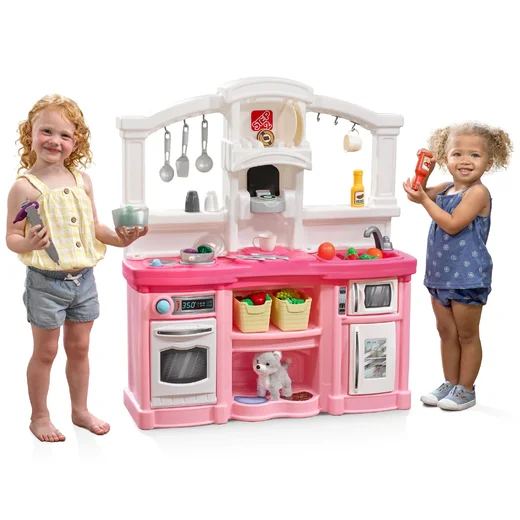

Fun with Friends Kitchen - Pink
https://www.step2direct.com.au/fun-with-friends-kitchen-pink Now $224.10
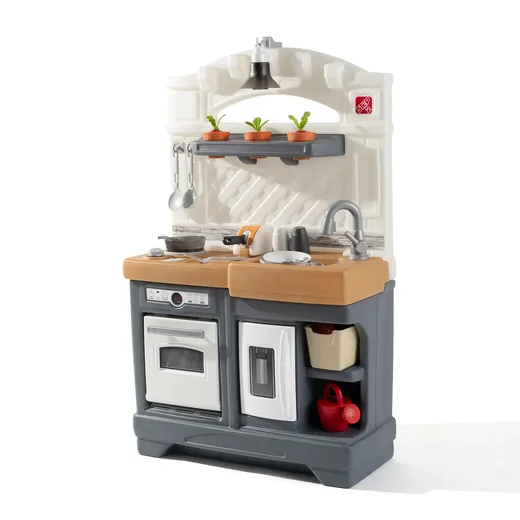
Garden Fresh Kitchen
https://www.step2direct.com.au/garden-fresh-kitchen-new $249.00
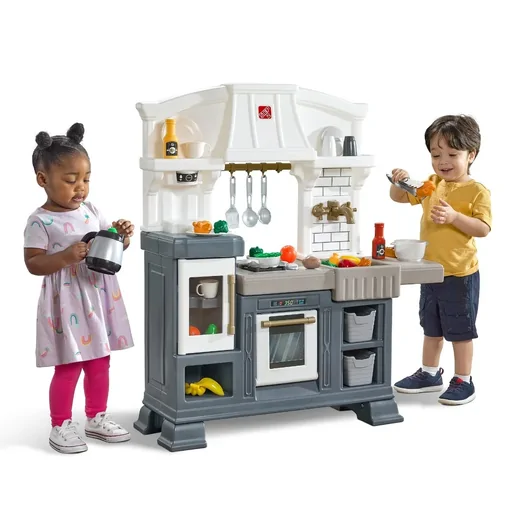
Gilded Gourmet Kitchen
https://www.step2direct.com.au/gilded-gourmet-kitchen $249.00
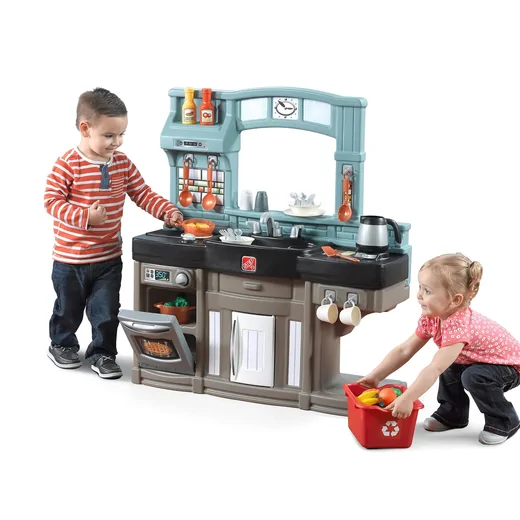
Best Chefs Kitchen
https://www.step2direct.com.au/best-chefs-kitchen Now $206.10
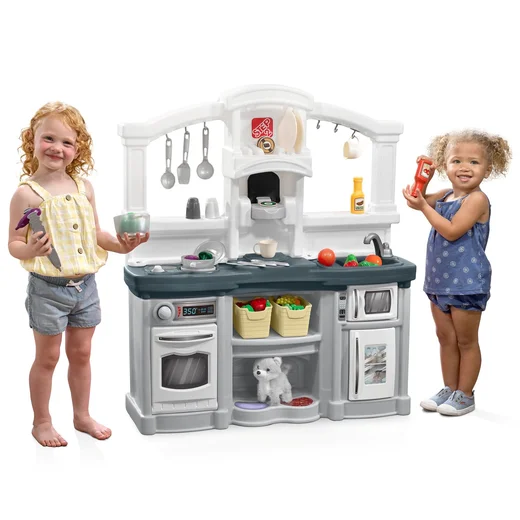
Fun with Friends Kitchen - Grey
https://www.step2direct.com.au/fun-with-friends-kitchen-grey Now $224.10
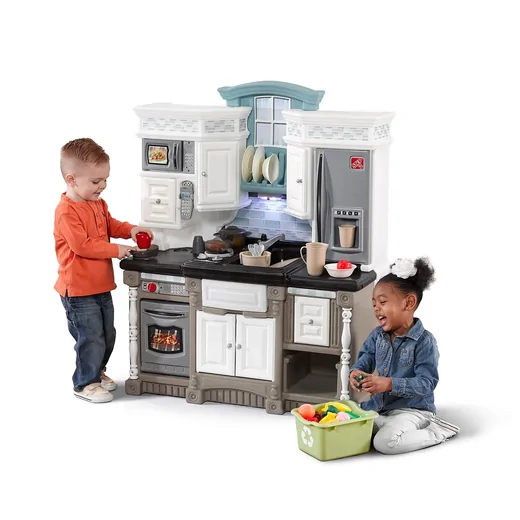
Life Style Dream Kitchen
https://www.step2direct.com.au/life-style-dream-kitchen $499.00
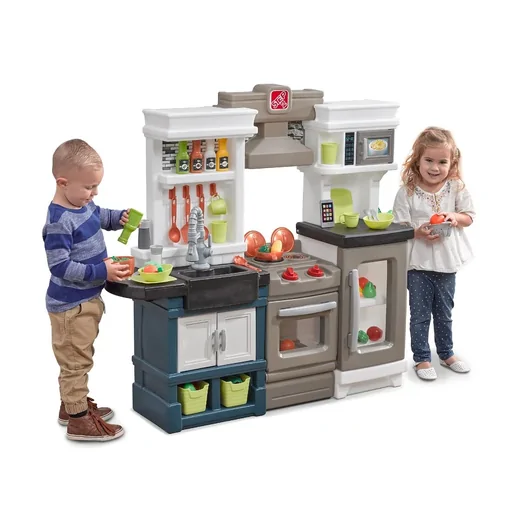
Modern Metro Kitchen
https://www.step2direct.com.au/modern-metro-kitchen $459.00
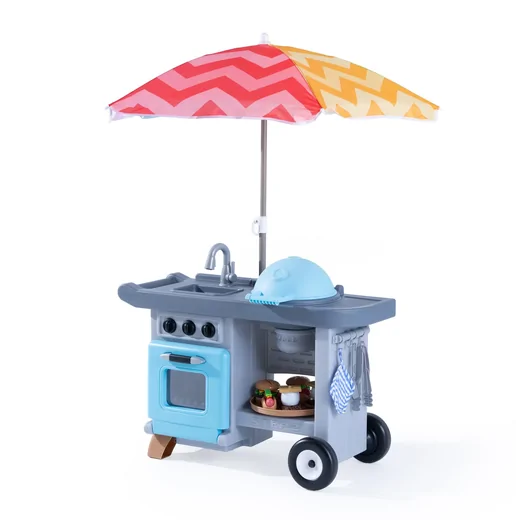
Grill & Go BBQ Cart with Lights & Sounds
https://www.step2direct.com.au/grill-and-go-bbq-cart-with-lights-and-sounds $299.00
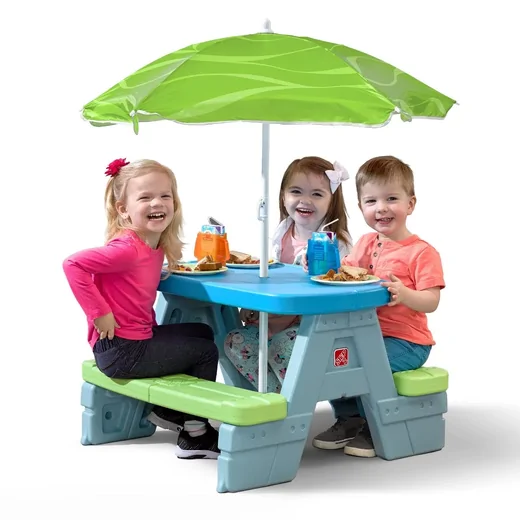
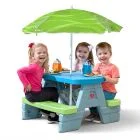
Sun & Shade Picnic Table With Umbrella
https://www.step2direct.com.au/sun-and-shade-picnic-table-with-umbrella $219.00
Language development activities and play
How play builds language, not just vocabulary
Language development is more than learning new words - it's narrating actions, following a sequence of steps, and using language to negotiate a shared scenario with someone else. Play gives children real reasons to use language actively, rather than just absorbing it passively, since a pretend scenario often only works if it's communicated to whoever else is playing.
Why role-play conversation matters
Pretend cooking is a particularly rich source of language practice - naming ingredients, describing what's happening ("I'm stirring the soup," "it's ready now"), and narrating a sequence of steps out loud. Because the play is self-directed, the language comes from the child's own thinking rather than repeating back something an adult said, which tends to build more genuine, flexible language use than repetition drills.
Activities for language development that work well
A play kitchen is a strong example - it naturally prompts a running narration of actions and a vocabulary specific to cooking, food and mealtime routines. Playing alongside a sibling or friend adds another layer, since sharing a pretend kitchen means negotiating turns, describing what you're making, and following or giving simple instructions.
Making the most of it as a parent
Narrating alongside your child, rather than quizzing them on vocabulary, tends to build language more naturally - describing what you notice ("that smells like it's cooking well") invites more language back than direct questions do. Playing alongside your child during pretend cooking, rather than just observing, gives you natural opportunities to model new words within the flow of play rather than as a separate lesson.
Frequently asked questions
How does pretend cooking specifically help language development?
It gives a child a reason to narrate actions, name objects and describe a sequence out loud - all genuine language practice that happens naturally within play rather than as a deliberate exercise.
Does playing with other children help language more than playing alone?
Often yes - playing alongside another child adds negotiation, turn-taking and description into the mix, since a shared scenario needs to be communicated rather than just imagined internally.
What age does language-rich pretend play typically start?
Simple narration and naming during play often starts in the toddler years and becomes more elaborate as vocabulary and sentence structure develop through the preschool years.
What if my child is quiet or slow to talk during play?
Children develop verbal language at different rates, and a quieter child is often still absorbing and processing language even without narrating out loud. Playing alongside them and narrating your own actions gives them a model to draw on without any pressure to speak.