

















 Official Step2 Distributor
 Quick Dispatch (within 24h)
 30 Days Money Back Guarantee
 3 Year Warranty
-
Filter By Category
- Climbers and Swing Sets (3)
- Kids Climbers (3)
-
Filter By Stock
- In Stock (13)
Filter By Brand
- Step2 (14)
Self-Expression
Self-expression is different from imagination in a subtle but real way - imagination is about inventing a story, while self-expression is about a child showing their own preferences, style and personality through how they play. Choosing how to set up a space, or picking a particular scenario over another, are small but genuine acts of a child expressing something that's entirely their own.
A cubby house or playhouse that's genuinely a child's own gives them somewhere to make decisions entirely on their own terms - what goes where, what the space is "for" today, who's allowed in. Browse our cubby house range to see the styles available. Nursery-style pretend caregiving does something similar in a different register, with a child bringing their own style of nurturing to the play - our pretend play range covers this and more.
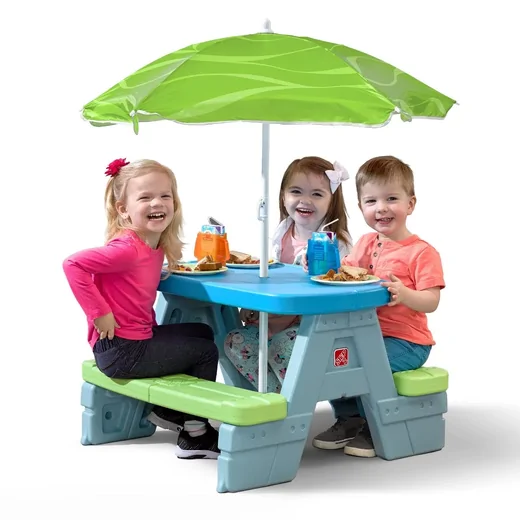

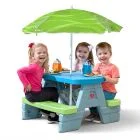
Sun & Shade Picnic Table With Umbrella
https://www.step2direct.com.au/sun-and-shade-picnic-table-with-umbrella Now $197.10
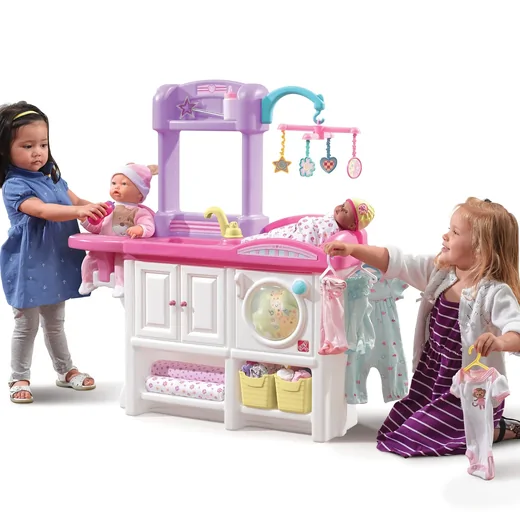
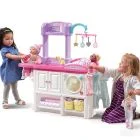
Love and Care Deluxe Nursery
https://www.step2direct.com.au/love-care-deluxe-nursery Now $242.10
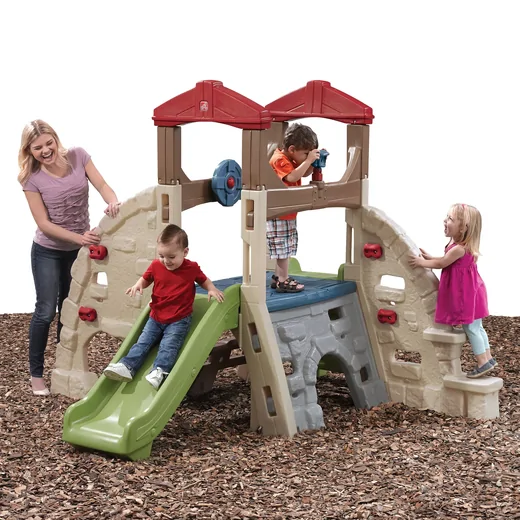
Alpine Ridge Climber and Slide
https://www.step2direct.com.au/alpine-ridge-climber-slide $1,199.00
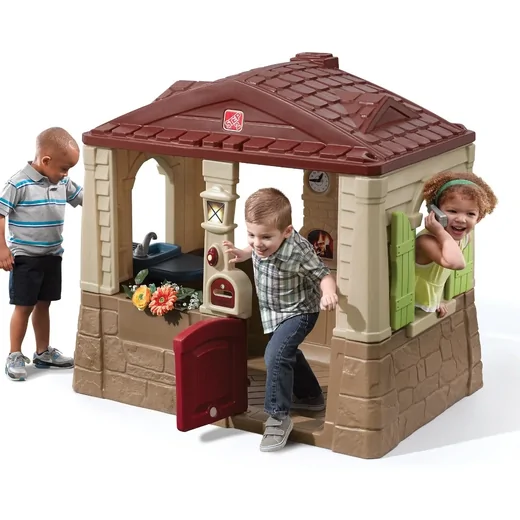
Neat and Tidy Cottage II
https://www.step2direct.com.au/neat-tidy-cottage-ii $649.00
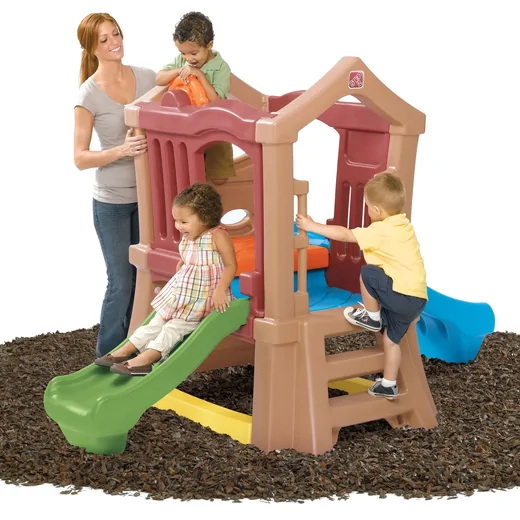
Play Up Double Slide Climber
https://www.step2direct.com.au/play-up-double-slide-climber $1,199.00
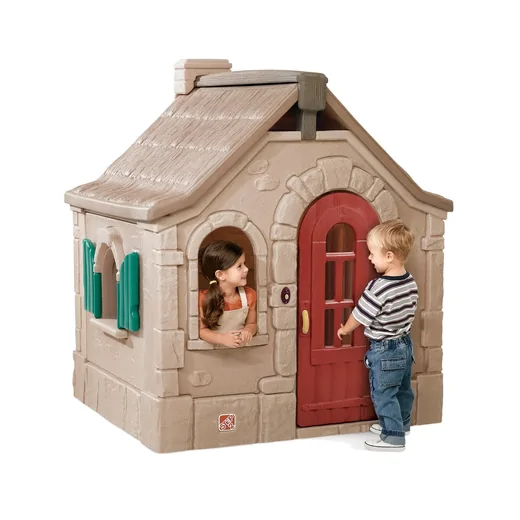
Storybook Cottage
https://www.step2direct.com.au/storey-book-cottage Now $1,349.10
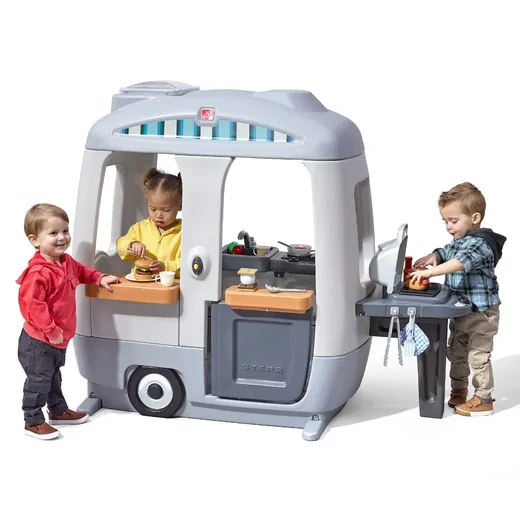
Adventure Camper
https://www.step2direct.com.au/adventure-camper Now $809.10
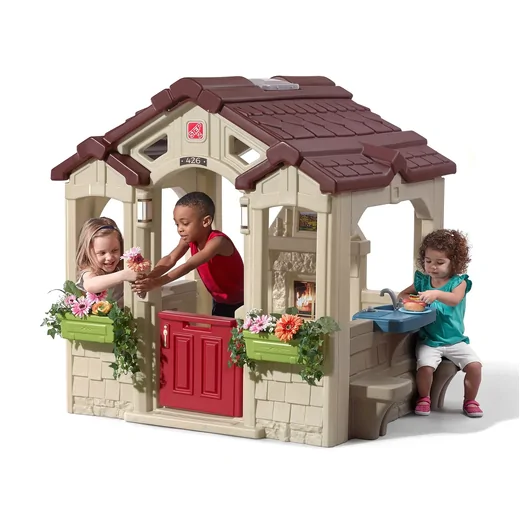
Charming Cottage
https://www.step2direct.com.au/charming-cottage-playhouse Now $1,169.10
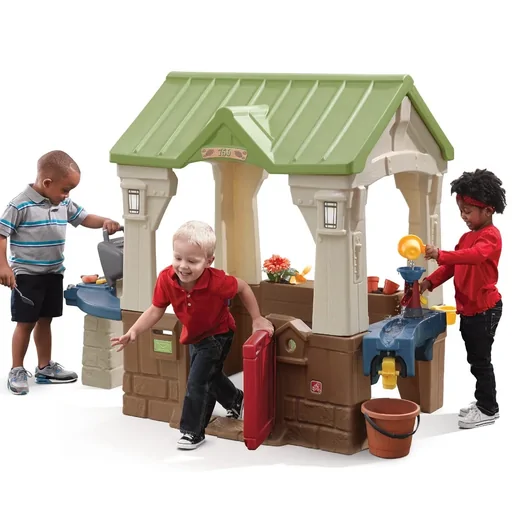
Great Outdoors Playhouse
https://www.step2direct.com.au/great-outdoors-playhouse $899.00
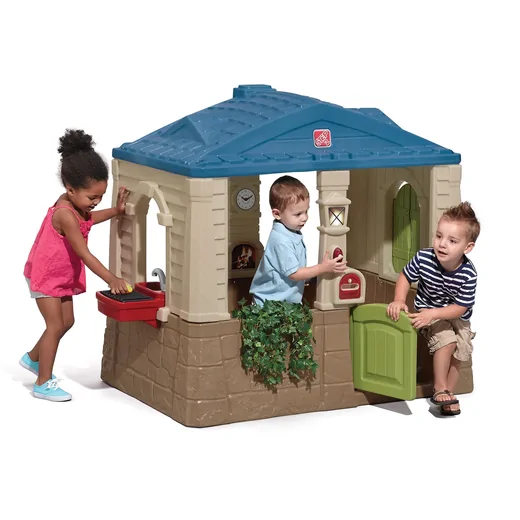
Happy Home Cottage & Grill
https://www.step2direct.com.au/happy-home-cottage-and-grill $649.00
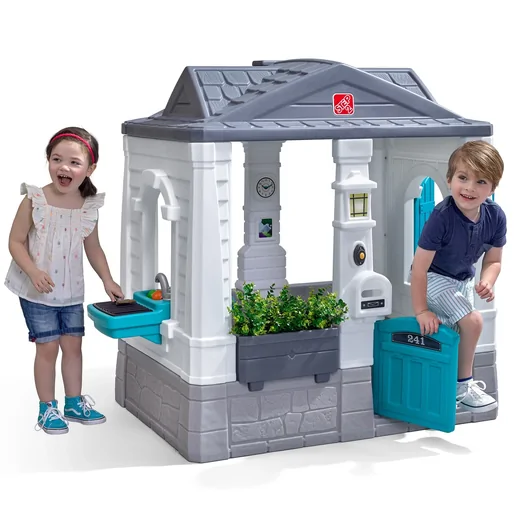
Neat and Tidy Cottage - Homestyle Edition
https://www.step2direct.com.au/neat-tidy-cottage-homestyle-edition Now $584.10
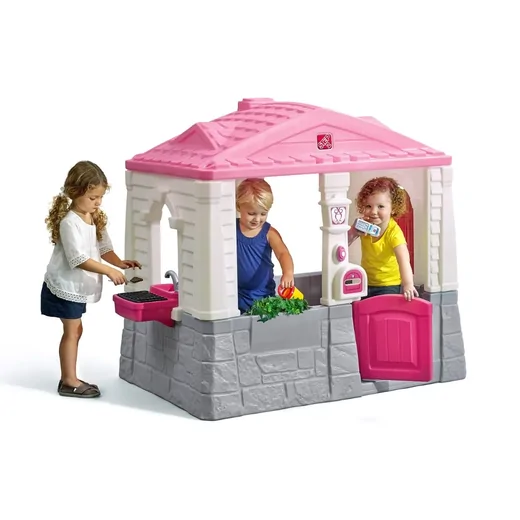
Neat and Tidy Cottage - Pink
https://www.step2direct.com.au/neat-tidy-cottage-pink Now $584.10
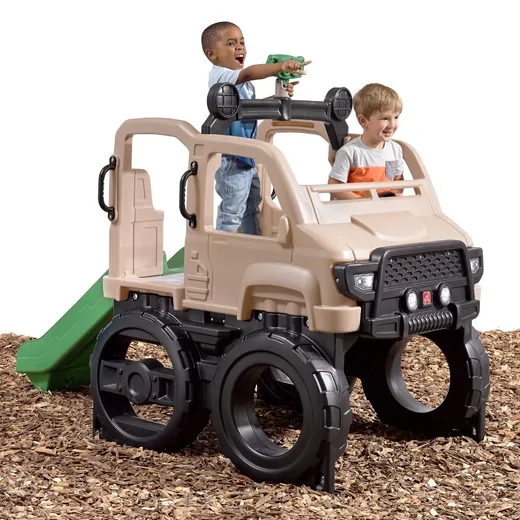
Safari Truck Climber
https://www.step2direct.com.au/safari-truck-climber $999.00
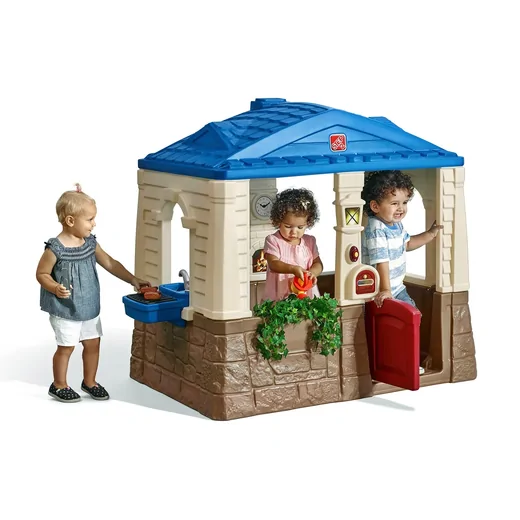
Neat and Tidy Cottage - Natural
https://www.step2direct.com.au/neat-tidy-cottage $649.00
Self-expression in play
What self-expression looks like in play
Self-expression is different from imagination in a subtle but real way - imagination is about inventing a story, while self-expression is about a child showing their own preferences, style and personality through how they play. Choosing how to set up a cubby house, decorating a pretend space a certain way, or picking a particular scenario over another are all a child expressing something genuinely their own.
Why having "their own space" matters
A cubby house or playhouse that's genuinely a child's own - not shared family space, not adult-arranged - gives them somewhere to make decisions entirely on their own terms. What goes where, what the space is "for" today, who's allowed in: these are small but real acts of self-expression, and having a space where those choices are entirely theirs is part of what makes it valuable.
Which kinds of play support it
A personal, enclosed space like a cubby house naturally invites a child to make it their own - what goes inside, how it's arranged, who's welcome. Nursery-style pretend caregiving does something similar in a different register - a child brings their own style of nurturing and caretaking to the play, often reflecting their own personality and what they've noticed in the adults around them, which can look quite different from one child to the next even with the same toy.
Supporting it without steering it
The instinct to suggest how a space "should" look or how a scenario "should" go can quietly override a child's own self-expression. Letting choices stay genuinely theirs, even when they seem unusual, is part of what makes this kind of play valuable - a "wrong" arrangement by adult standards is often exactly right by the child's own logic.
Frequently asked questions
What's the difference between self-expression and imaginative play?
Imaginative play is about inventing a story or scenario; self-expression is about a child showing their own preferences and personality through how they play - the two often happen together, but they're not quite the same thing.
Why does having a personal space matter for self-expression?
A space that's genuinely a child's own, rather than shared or adult-directed, lets every decision about it be entirely theirs - which is where a lot of self-expression in play actually happens.
How can I support self-expression without directing it?
Letting your child's choices stand, even when you'd have arranged things differently, tends to support self-expression better than offering suggestions or corrections during play.